Tag Archives: soy-free

Easy Baked Eggplant

Eggplant is awesome. It’s purple… sometimes white or marbled, and versatile. This recipe is an easy addition to any meal: it’s low in calories, tasty and easy to prepare. Most of the calories in this recipe come from the almonds. Almonds are a great source of omega-3 and omega-6 fatty acids. These two nutrients are often overlooked by vegans. Omnivores get them from fish along with such delicious contaminants as heavy metals mercury and lead or pesticides like DDT. Flax seeds and nuts are a great source of these nutrients that are vital for brain function. Your brain is the fattiest organ in your body! Weird, right?

For this recipe slice your eggplant into one inch thick pieces and ‘bread’ it in a mixture of the following:

1 cup of almond meal

1 tbsp onion powder

1 tsp garlic powder

1 tbsp nutritional yeast

a pinch of salt

Now place the pieces on lightly oiled tinfoil (I rest each on top of 3 almonds or sprinkle some corn meal for better air flow), cover with foil, and bake it at 375F/190C for 25-30 minutes.

After this you’ll remove the foil and poke with a knife every 5 minutes or so until they’re tender.

Just imagine this smothered with pasta sauce and melted soy cheese… Okay, I’m drooling.

This is Christie, signing off!

Tagged , , , , , , , , , , , , , ,

Adventures in Fruit: Kumquat… PERVERT! Oh wait…

I decided to buy some kumquats (also cumquats) at my farmer’s market because, though I’m familiar with them and their silly name, I’ve never actually tried them.

The idea of putting an entire citrus fruit in my mouth took a little while to warm up to since I associate the zest of lemons and orange peel with bitter aromatic flavors. This is probably one of the strangest mouth adventures I’ve been on since it was almost nothing like I expected. The peel was sweet but still had the bite of a traditional citrus fruits and the flesh of the fruit was delightfully sour. That part was over quickly though since the fruit is very small and I went back to the creamy sweet flavor of the peel. I would love to chop some of these babies up with some mint, red onion, crushed red pepper and vinegar to serve over almond crusted tofu.

I did end up doing something awesome with this for dinner but that’s for another night.

This is Christie, signing off!

Tagged , , , , , , , , , , , , , , , ,

Portobello Tacooooh yeaaaah!

I love tacos. Who doesn’t? Except for communists, of course. Just kidding. I know communists love tacos too. Anyways, I’m making some fajita-style portobello mushrooms and I’m going to stuff them into some corn tortillas. I do recommend the flour sort because you can stuff more into them but I have this whole concept of avoiding gluten for my gastric health. Personal problems aside, you might want to gather together some toppings: diced bell peppers, Daiya pepperjack cheese, seasoned black beans, salsa, hot sauce and guacamole are among my personal favorites. Follow your heart… to TACOS!For the portobello fajita filling (for 1-2 people), assemble the following:

1/2 tablespoon olive oil

3 portobello mushrooms, cut into strips
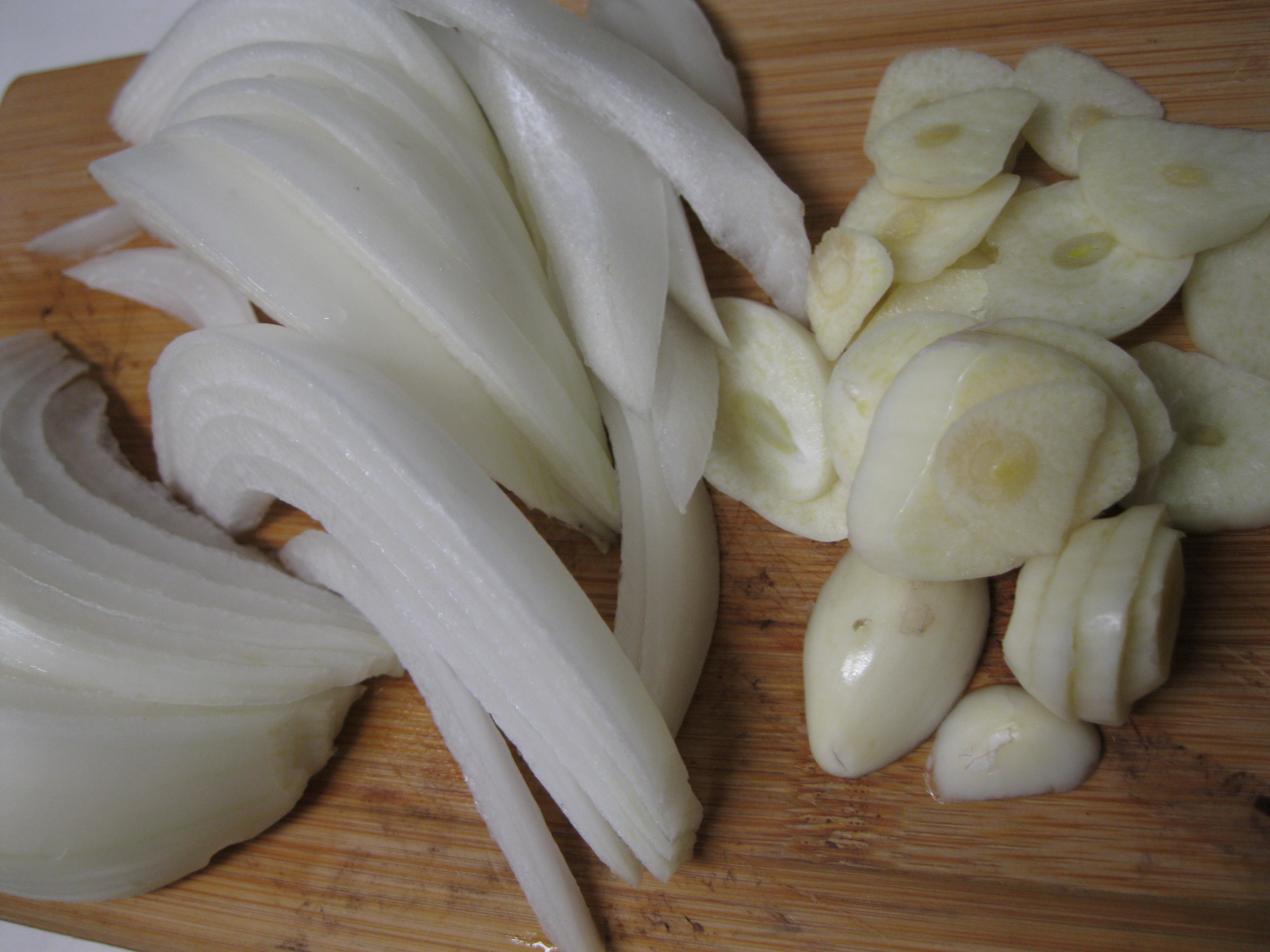
1/2 cup onion, sliced
2 garlic cloves, sliced
3 tbsp fresh cilantro, chopped
juice from 1/2 lime
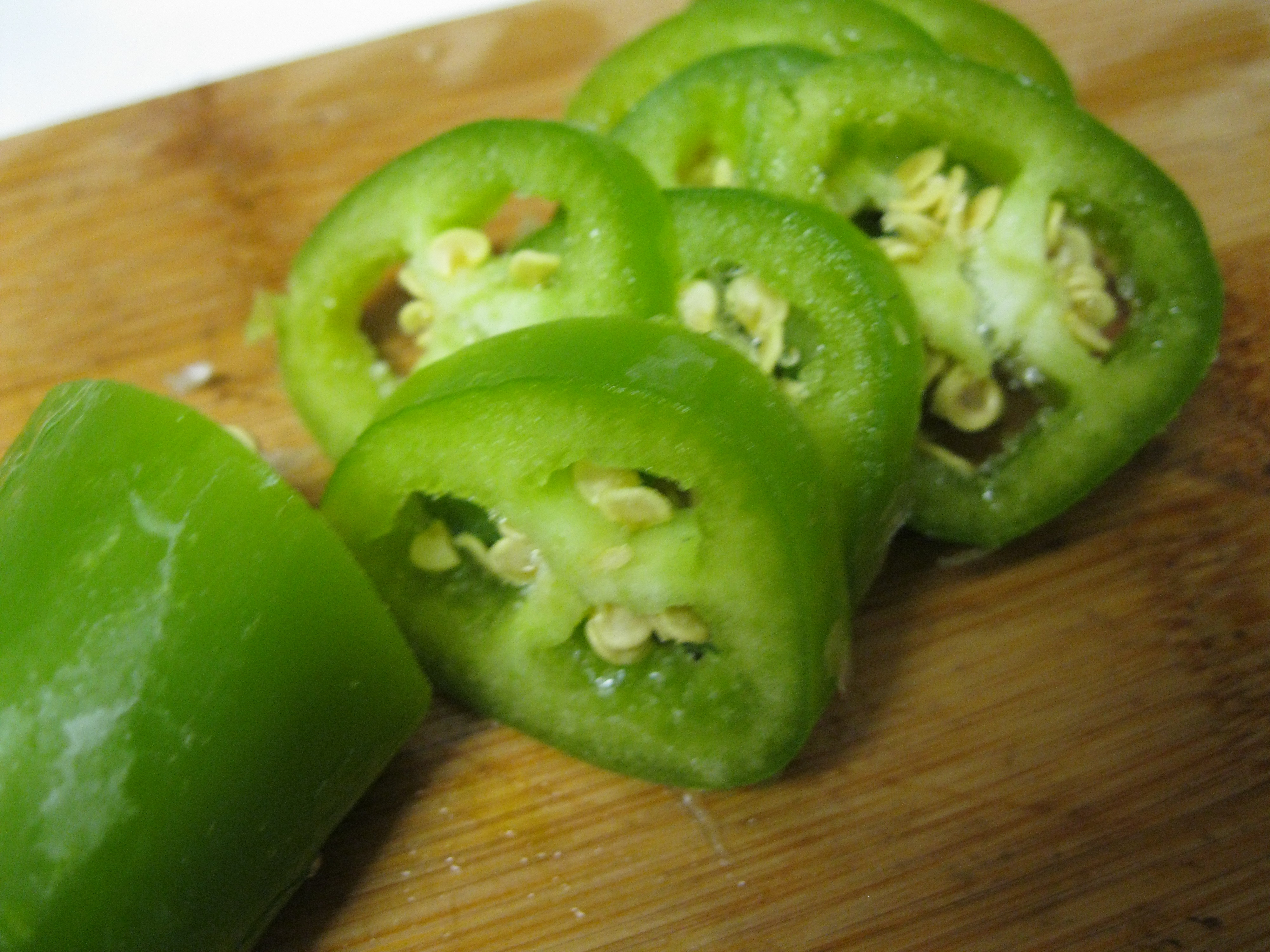
1 serrano pepper or jalapeno, minced (optional, for spice)
flour or corn tortillas
salt and pepper to taste

Heat the oil in a large nonstick skillet over medium-high heat. Add the mushrooms and sauté 5 minutes or until almost tender.

Add onion and garlic. Reduce heat to medium, and cook for 4 minutes or until the onion becomes translucent, stirring frequently.

Remove from heat; stir in cilantro, lime juice, salt, and peppers. I used jalapeño peppers. I keep a bag of them in my freezer, tops cut off. They keep really well that way. I cut them after they’ve thawed partially.

Spoon about 1/4 cup mushroom mixture down center of each tortilla. Add whatever toppings you like: the more the merrier. Roll up. Insert into mouth and enjoy!

I add some shredded soy cheese, hot sauce, bell pepper and wrapped it in a lightly toasted corn tortilla. This is a perfect treat for a Saturday evening game or a Wednesday night fight. You’ll have to scale up my recipe but this is social food to enjoy with good friends (though I think all good food is made better by good company.)

This is Christie, signing off.

Tagged , , , , , , , , , , , , ,

Has everybody gone crackers?

I like to make juice. Like… serious health conscious vegetable juice. If that’s your bag, this post is for you.

Tonight I made some juice from 6 carrots, 1 apple, 1 peeled lemon, one beet and a generous chunk of fresh ginger. In the early days of enjoying my frosty beverages I was thinking of things to do with the leftover pulp.

What’s leftover after you juice the veggies and fruits is a lot of soluble and insoluble fiber and nutrients that didn’t get mooshed out in the juicing. I hate wasting things. It’s partly my inner hippie, my years of farm living, and some personal issues I can’t get into on the internet. Anyways, this is what I use to make my home-made crackers. As far as I know, pretty much any fruits and veggies will do except for cucumber, sorry. Just think about the combo and how it will taste when paired with hummus or whatever. This recipe is for carrot sesame crackers.

Take the pulp and pick out any large chunks. To the pulp, add the following (amounts don’t need to be exact)

1 heaping tbsp tahini (this is where the sesame comes from)

2 heaping tbsp flax meal

a few dashes of tamari or soy sauce (or just regular salt if you’re soy-free)

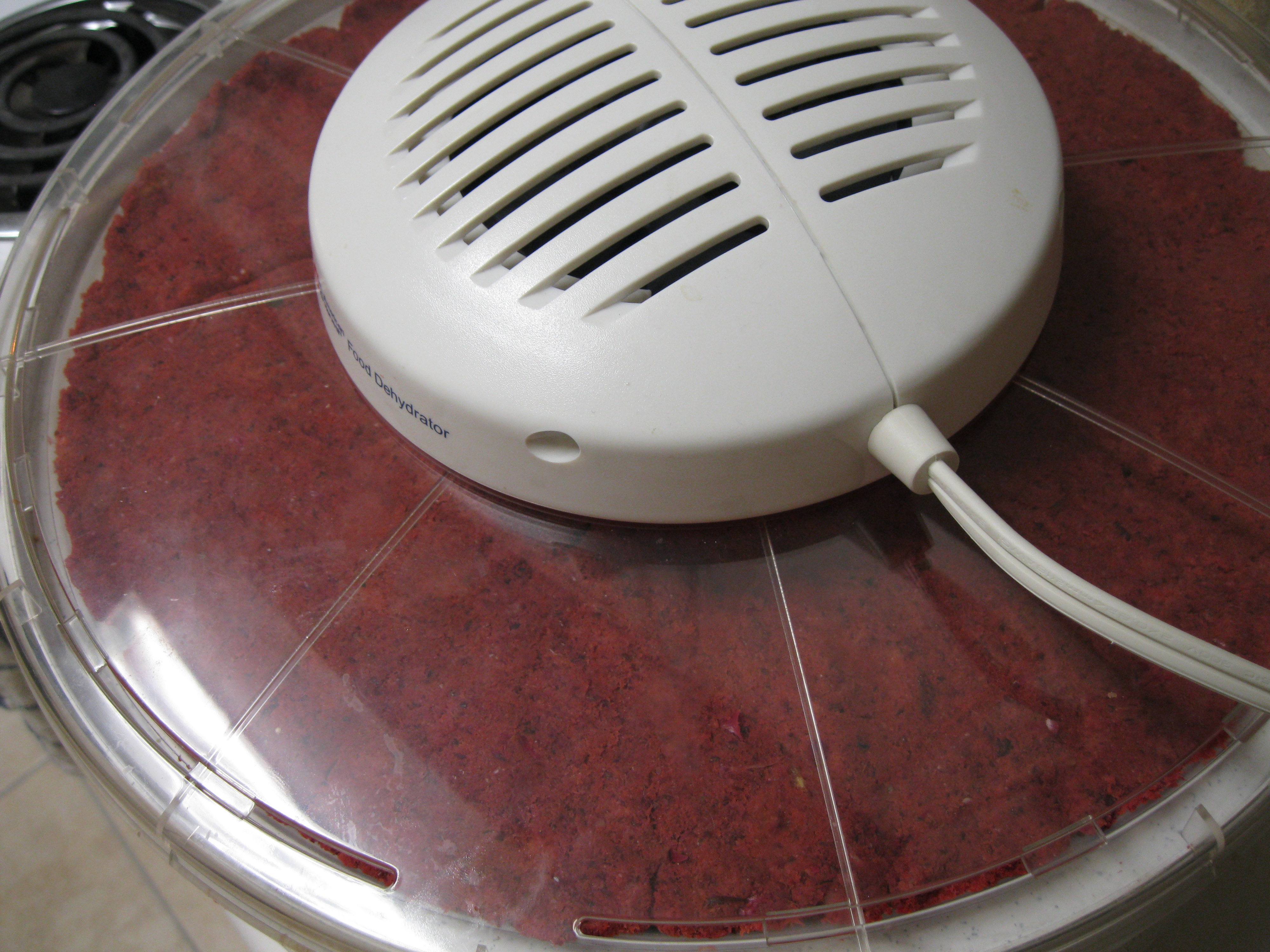
Moosh it with your hands until you can mold it into a ball that’s at least somewhat doughy. Spread it out into your food dehydrator on one of the plastic sheets intended for fruit leather and such and dry overnight. My dehydrator doesn’t have heat settings or a timer so I can’t be more specific than that. It works, that’s all I know. You can also spread it out on a wax paper lined baking sheet and covered in tin foil. Bake them at 200F/90C for 30-45 minutes, depending on the thickness of the dough. Check it frequently to be sure it doesn’t burn.

The rich color and sweetness comes from the carrots and beets, slightly savory from the soy and nutty from the tahini and flax. You might also get some bite from the ginger! They’re great with home-made hummus, soy or nut cheese, salsa, cheesy bean dip, spinach artichoke dip, guacamole or whatever it is that blows your skirt up.

Here are my finished crackers: low calorie, preservative free, low glycemic index due to no added sugar or processed flour, high flavor and incredibly filling (remember… lots of soluble and insoluble fiber.) You can also customize them adding whatever your heart desires. Pulp from spinach mango juice makes great spinach sun dried tomato crackers: it’s a favorite when mango comes into season here in Florida in the spring. I’ve also been known to make spinach pizza crust. They will keep in a plastic baggie in your fridge for 3-4 days.

This is Christie, signing off… to finish off last night’s hummus with my fresh crackers.

Tagged , , , , , , , , , , , , , , , , , , , , , , , , ,

Beans, beans, the musical, magical fruit! … and hummus.

People often tell me that being vegan is too expensive or they can’t fit it in their budget. Being vegan can be really expensive if you eat a lot of prepared foods but cooking from scratch makes vegan meals cheaper and healthier. I’ve recently been converted to dry beans. These are the reasons why.


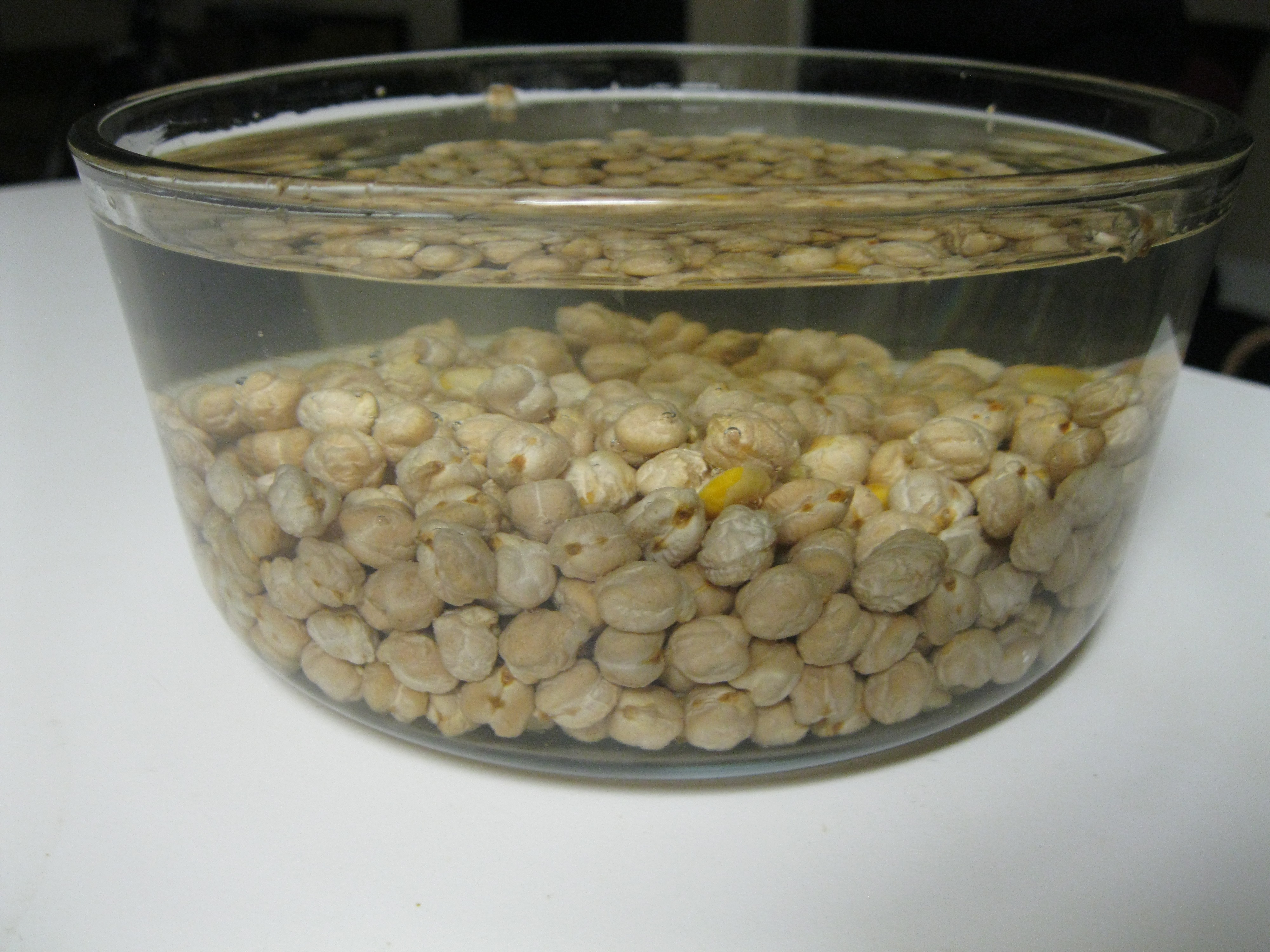
1. Dry beans are cheaper. A 1 pound bag of beans costs about as much as 1 can of beans and makes 3-4 cans volume of beans. I pay $0.79-$2.79 for a 1 pound bag and $0.89-$3.19 for a can. Jeepers H Crackers, that’s ridiculous! You can’t even get chicken that cheap. Check out my before (above) and after (below) pictures of some soaked chickpeas.


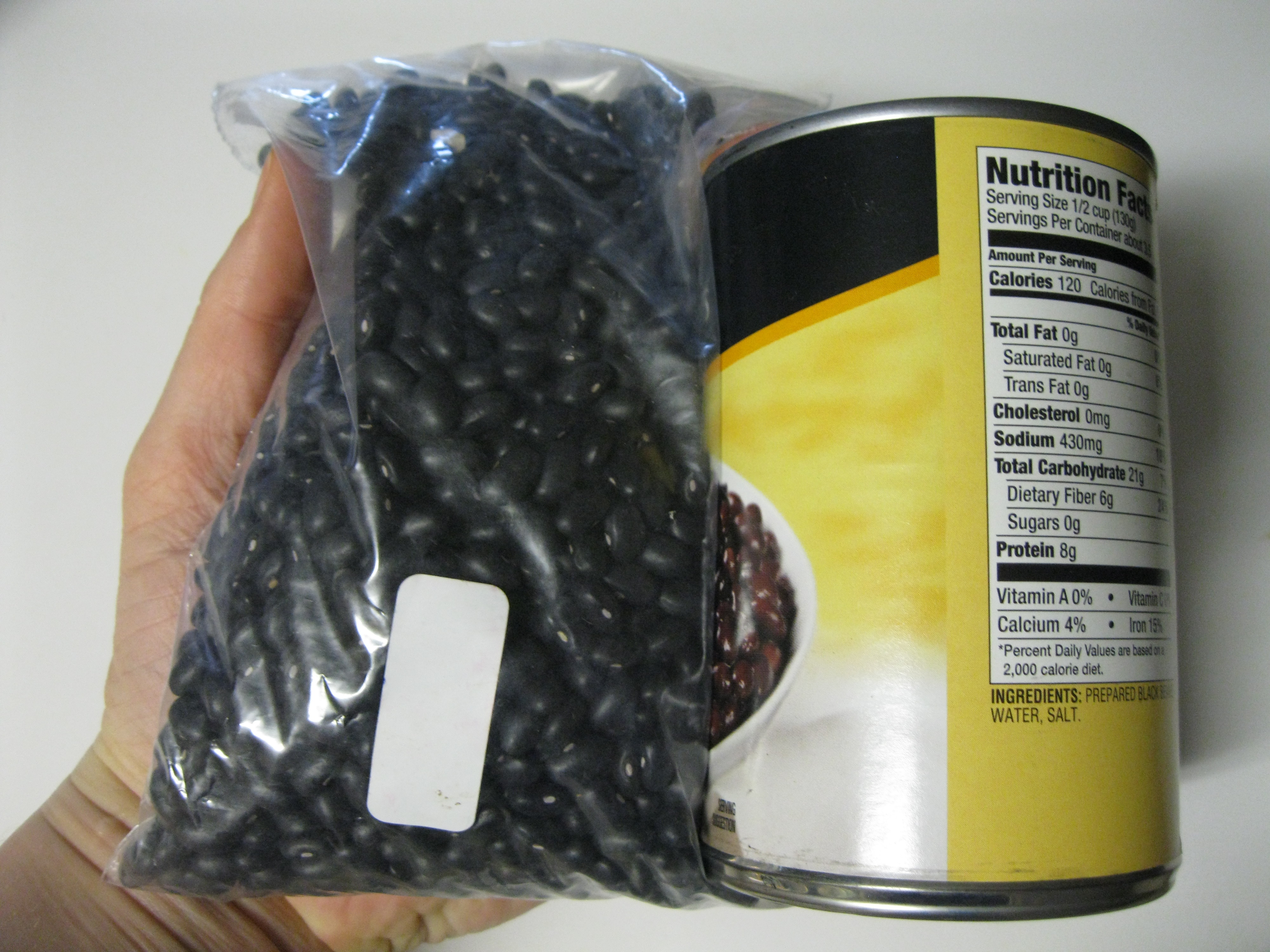
2. It saves space. A bag of dried beans take up less room in your kitchen than the 3-4 cans of beans you might otherwise purchase. They’re also lighter to carry around and won’t hurt if you drop the bag on your foot or head from a high shelf. (I’m a klutz… don’t judge me.) This is a pound of beans beside a can of beans.


3. It also saves space in landfills and energy costs for transportation. The empty plastic bag from beans versus 3-4 BPA-plastic lined tin cans with paper labels means less energy allocated to transporting and recycling and less space in garbage dumps.
4. There’s WAY more variety in the dried beans section of my supermarket than the canned beans section. I like variety.
5. Dried beans don’t contain preservatives or salt. You can also control what you add to the beans. I use distilled water but only because I’m not sure if my municipality uses hexafluorosilicic acid (an industrial waste derived from the production of aluminum metal and phosphoric acid) to fluoridate local tap water. I’d rather not add diluted industrial waste to my food. Yeah, I’m weird like that.
6. Dried beans taste better and aren’t as mooshy as canned. I find I have to add canned beans last in chili recipes because they fall apart when you stir them. Dried beans are firm enough to stand up to vigorous mixing and haven’t lost their flavor to the liquid they’re canned in.
7. There’s also more control with cooking. If I’m only going to be cooking for a couple of people and still want to use 3 different kinds of beans, that’s all I’ll have to prepare. No opened tins with plastic over them in my fridge potentially waiting to spoil and be wasted. 1 cup of dried beans translates to about 1 can.
8. Dried beans are incredibly easy to prepare. There’s no can opener and no sharp edges on the lid or can for you, your little ones or your family pet (who inevitably will get into your garbage pail…) to cut themselves on. I set them in a bowl in my kitchen sink the night before. I see the bowl when I put my dishes from breakfast in the sink the next morning. I am then reminded to fill the bowl with water, cover it and go to work. When I get home, my beans are ready to start cooking. What I’m saying is. if you can put water into a bowl, you can use dried beans.

So you might be wondering what I’m going to do with that HUGE bowl of chickpeas. This post is really about hummus. All you need is the following:
1 cup of dry chickpeas, soaked OR 1 can of drained chickpeas (save some of the liquid from soaking or the can)
juice from 1 lemon
3-8 garlic cloves
1 heaping tbsp tahini (optional but recommended)

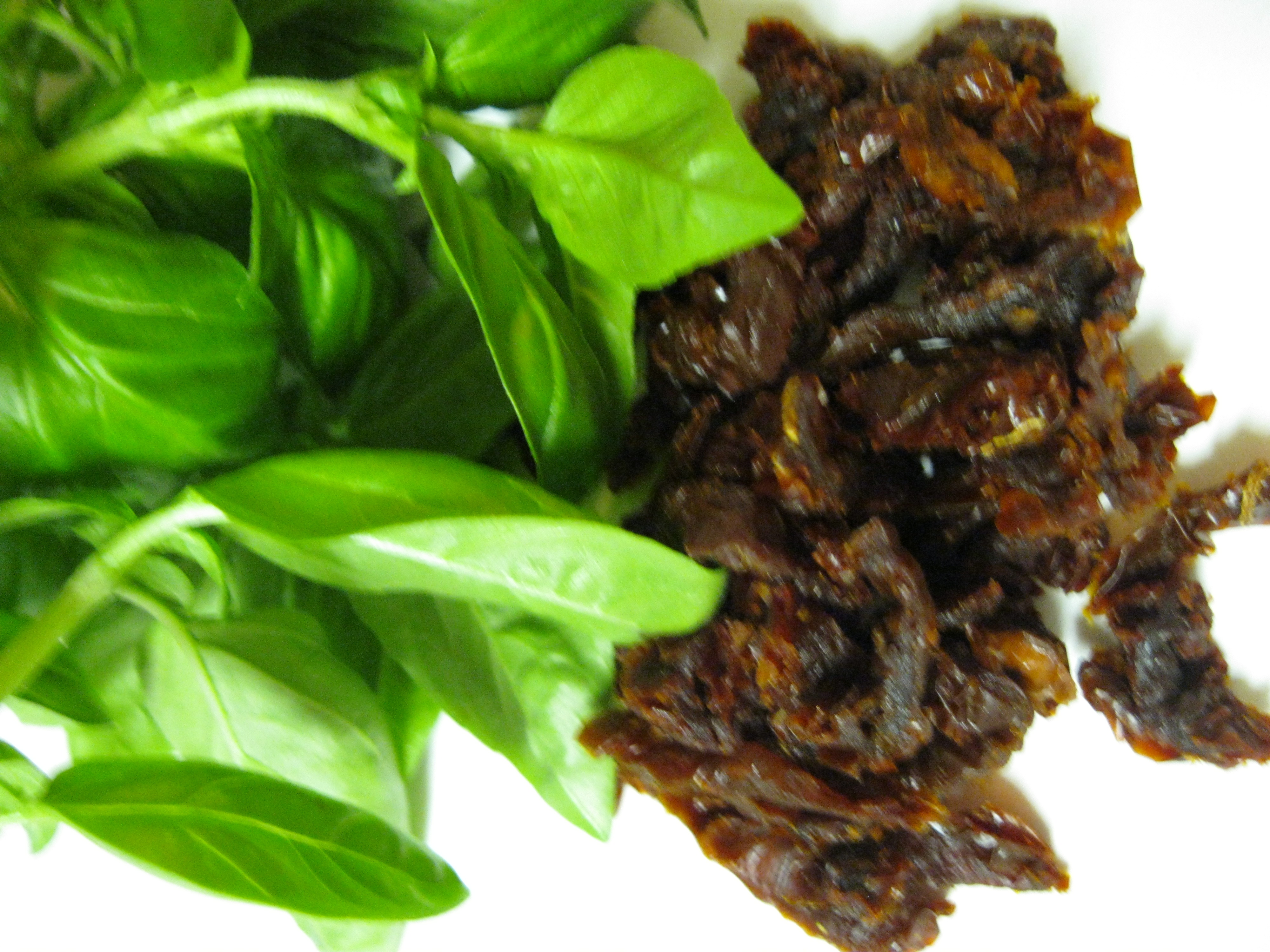
I’m adding a generous handful of fresh basil and sundried tomato… for fun. You can add anything: roasted red peppers, olives, artichoke hearts, cucumber and dill… whatever.

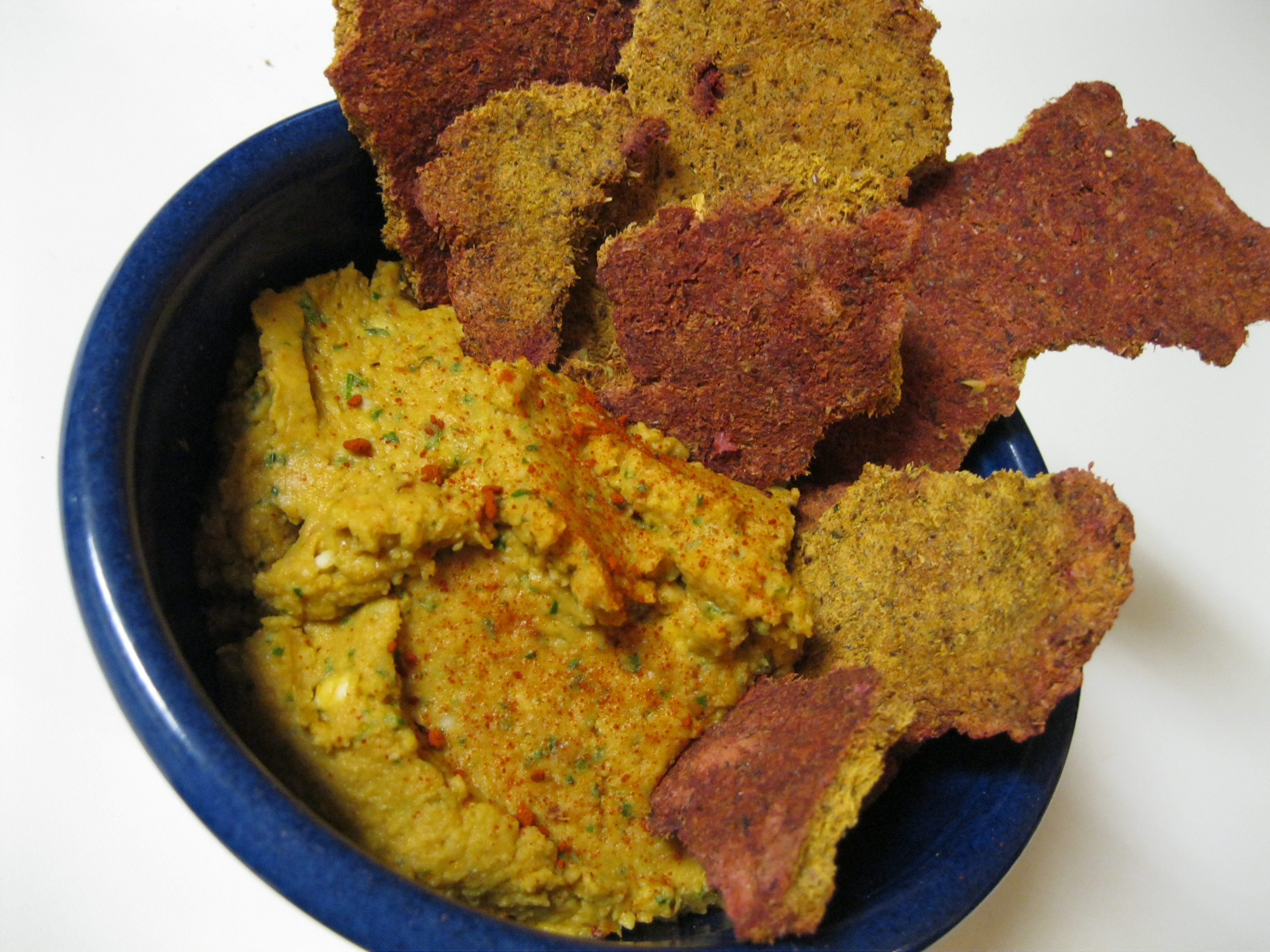
Put it all in your blender or food processor and blend until you like the texture. If you need more liquid, add some of the liquor from the soaking or from the can. Voila! Hummus. I sprinkle mine with some smoked paprika powder and ate it with my own sesame ginger carrot crackers. Yeah, I make my own crackers.  Wanna learn how to make those too?  Some day… some day.

I wish you could taste how delicious this hummus is. The spicy basil and garlic are amazing with the mellow sundried tomato on the backdrop of creamy chickpeas and tahini. Let me know what combo you dream up for hummus and tell me how you like it. I want to make MOAR!

This is Christie, signing off.

Tagged , , , , , , , , , , , , , , , , , , , , , , ,

Adventures in fruit: sapote say what?

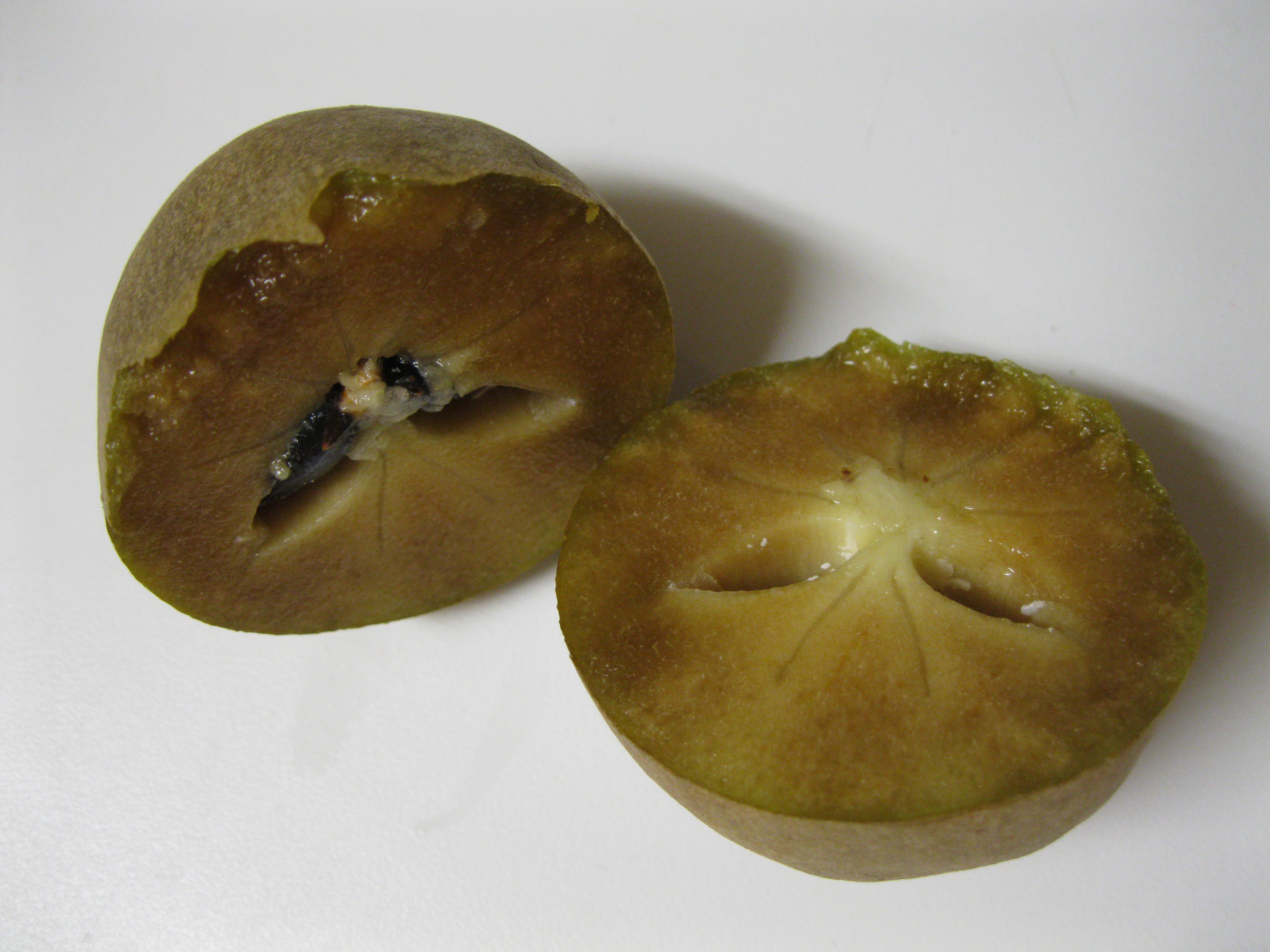
This is another local favorite. It’s called sapote.

It’s got the texture of a Bartlett pear and tastes like honey soaked Asian pear. I’ll definitely get this one again. It’s a great snack: it fits in your bag (about the size of a chicken egg), it fits in your hand, it fits in your mouth. What’s not to like? The flavor is unique. I imagine that this variety of sapote might make a great sorbet… note to self: learn to make sorbet. NOM!

This is Christie, signing off!

Tagged , , , , ,

Kale and White Bean Soup! It’s what’s for lunch.

Kale is so awesome that it might overshadow the white beans in this particular dish but white beans (also called navy beans or Northern beans) a’re a standout food on their own. Kale is full of vitamin K, vitamin A, manganese, calcium along with a number of other micronutrients like lutein and zeaxanthin (both important for vision) that are all really important for a healthy body and immune system. It’s low in calories and loaded with fiber to help you feel fuller faster and longer. So how can white beans possible compete? They offer a different variety of nutrients that complement those present in the kale: calcium, iron, and other micronutrients like coumarin and ferulin which are currently under scientific investigation for their activity as antioxidants.

Oh right, soup. Gather together the following.

12-16oz bag of dry white beans

1 bunch of kale, rinsed and cut into ribbons

1 tomato, diced

6 cloves of garlic, minced

1 cube of bouillon a pinch of cumin seeds (optional)

1.5 L water (does NOT include water for soaking the beans)

olive oil

salt and pepper to taste

To prepare, I recommend soaking the beans overnight (or at least 4 hours) to reduce the cook time of your soup. Cover the beans completely with water plus another inch or so. The beans should about double in size. Don’t be alarmed. It’s normal. I like dry beans because it’s cheaper but if soaking dry beans isn’t your thing, 2-3 tins of white beans works great and will reduce your prep time considerably.

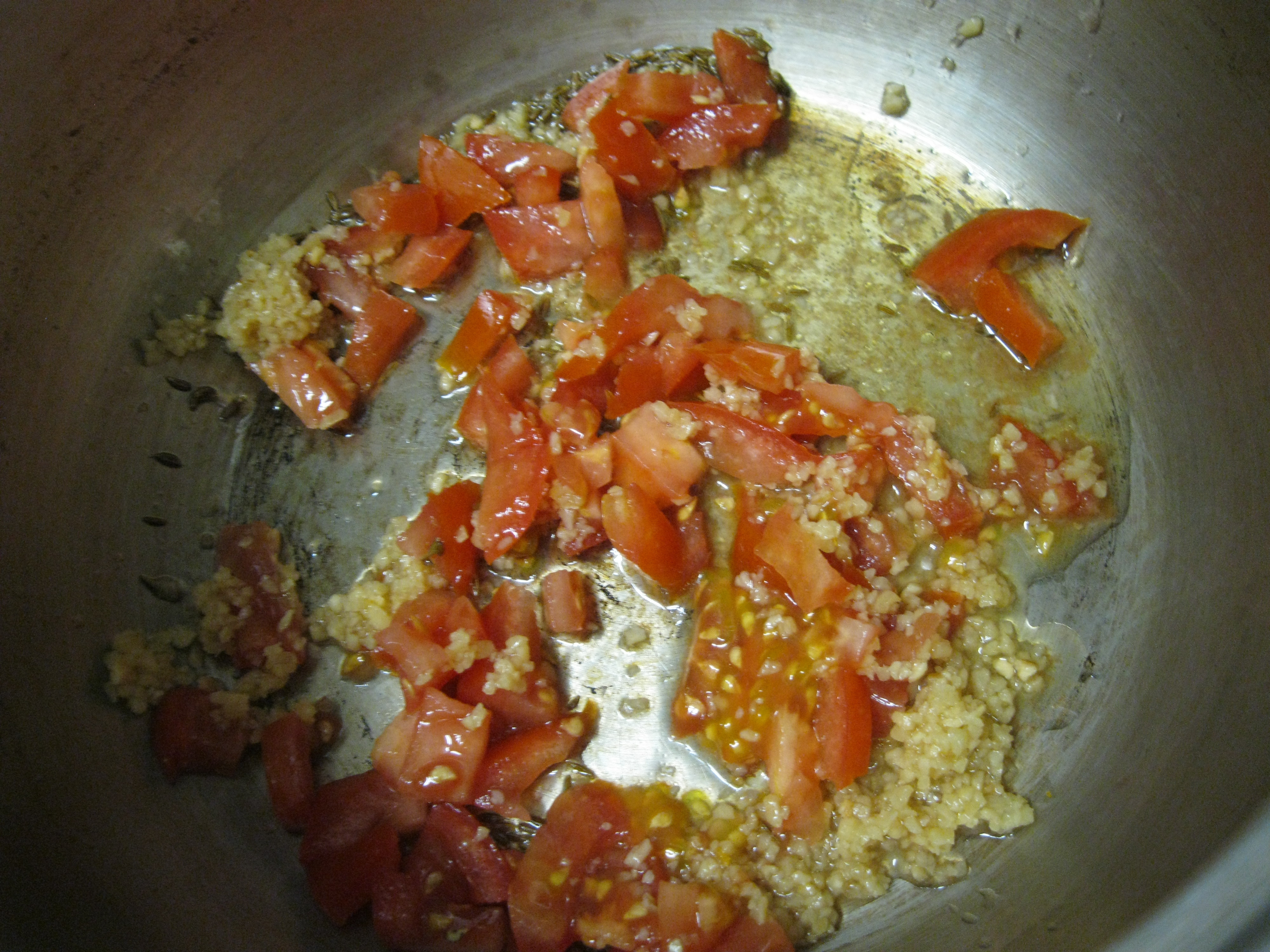
In a huge pot, add the olive oil and coriander seeds and wait until the seeds start to sputter. Add the tomato and garlic and stir a few times.
Add the beans and stir until they’re coated with the tomato and olive oil. Add 1 liter of water and the bouillon. Bring to a boil and then reduce to a simmer for 1.5 hours (longer depending on how dry they are, just keep testing them to see when they start to get tender). Start to stir in the kale a handful at a time when the beans start to soften.
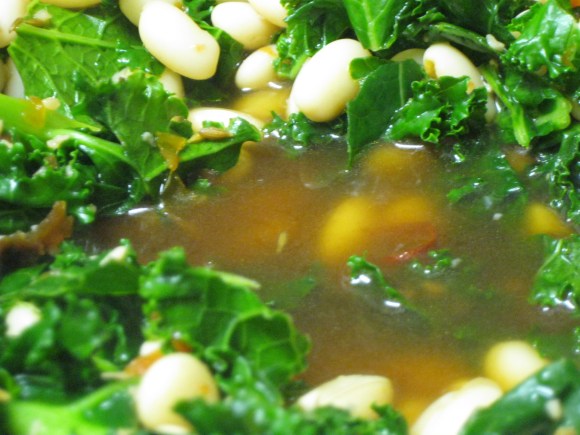
Add more water until you reach the desired consistency. Remove the bay leaves. Bring to a boil before serving.

Other things you can add to this traditional favorite include: sliced vegan chorizo or soy sausage, pasta, and sun dried tomato. Add the chorizo or soy sausage right after the kale so it doesn’t fall apart, you can also brown it lightly in a fry pan first. If you add sun dried tomato, add it with the regular tomato. I like this soup for lunch. It’s inexpensive, highly nutritious and delicious.

This is Christie, signing off.

Tagged , , , , , , , , , , , , , ,

Tabouleh… gesundheit…?

Tabouleh is an awesome snack, exotic salad or side dish that’s relatively simple to prepare and sure to impress. You can use traditional bulgur if you want but I can’t make any recommendations on how to prepare it.I make mine with quinoa because of the whole gluten thing and this is my interpretation of the traditional dish. Parsley is the star in this dish: it’s a great home remedy for bad breath (truly, it works… don’t tell my boyfriend) so if you’re inviting that good looking soul with the gnarly breath over for dinner, consider this bad boy for your appetizer. You’ll need the following:

1/2 onion, diced

1/2 cup quinoa

1 cup  water

1/2 lemon

1 generous bunch of parsley

1 tomato, diced

2 tbsp chopped mint (optional, but makes it very authentic)

pinch of sea salt

pinch of pepper (optional)

1 tsp olive oil

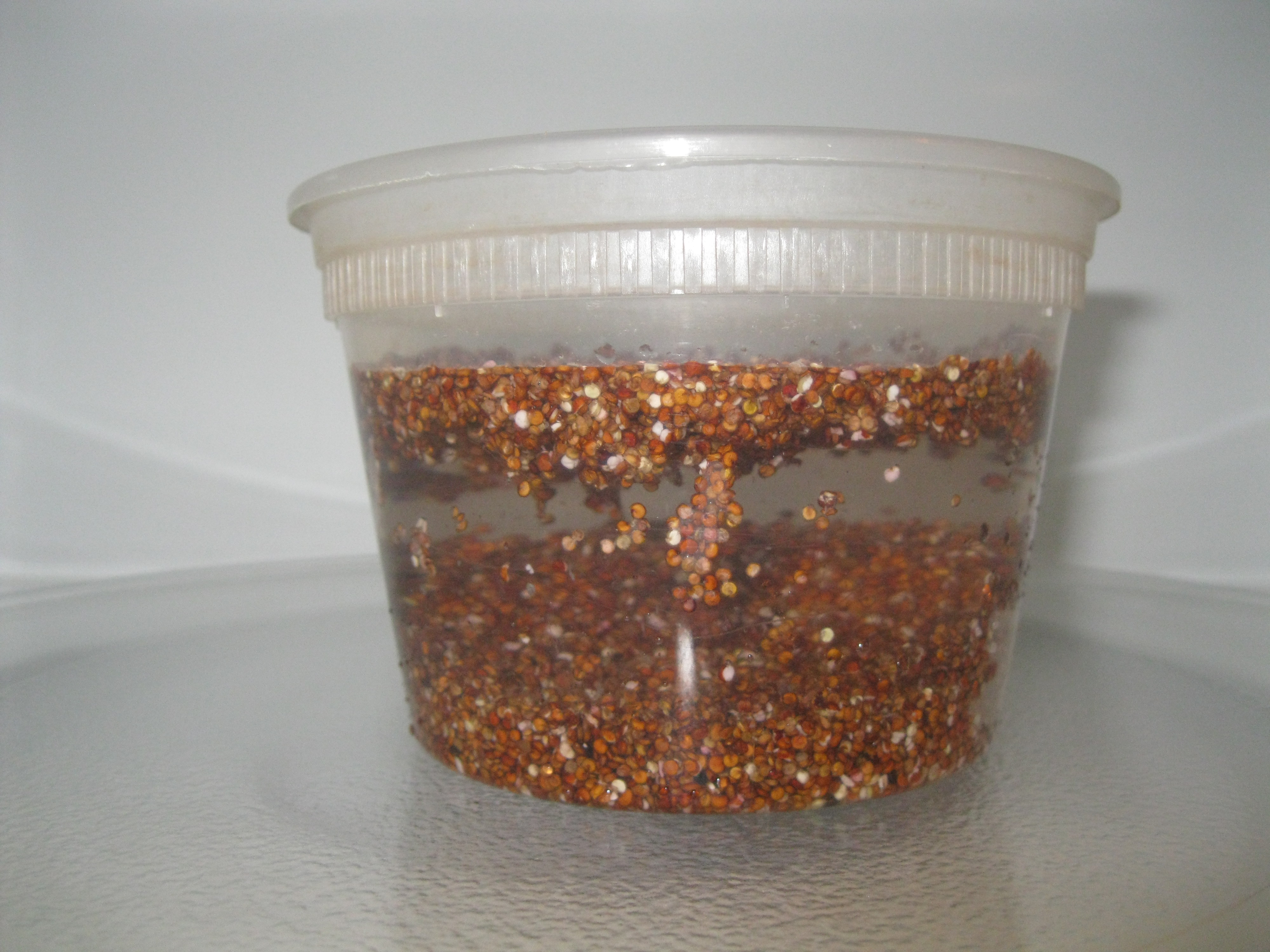
Combine the quinoa, olive oil and the water in a microwave safe dish and microwave at 2 minute intervals until the water is absorbed. Here’s my quinoa in the microwave… don’t judge me. I’m a little lazy.

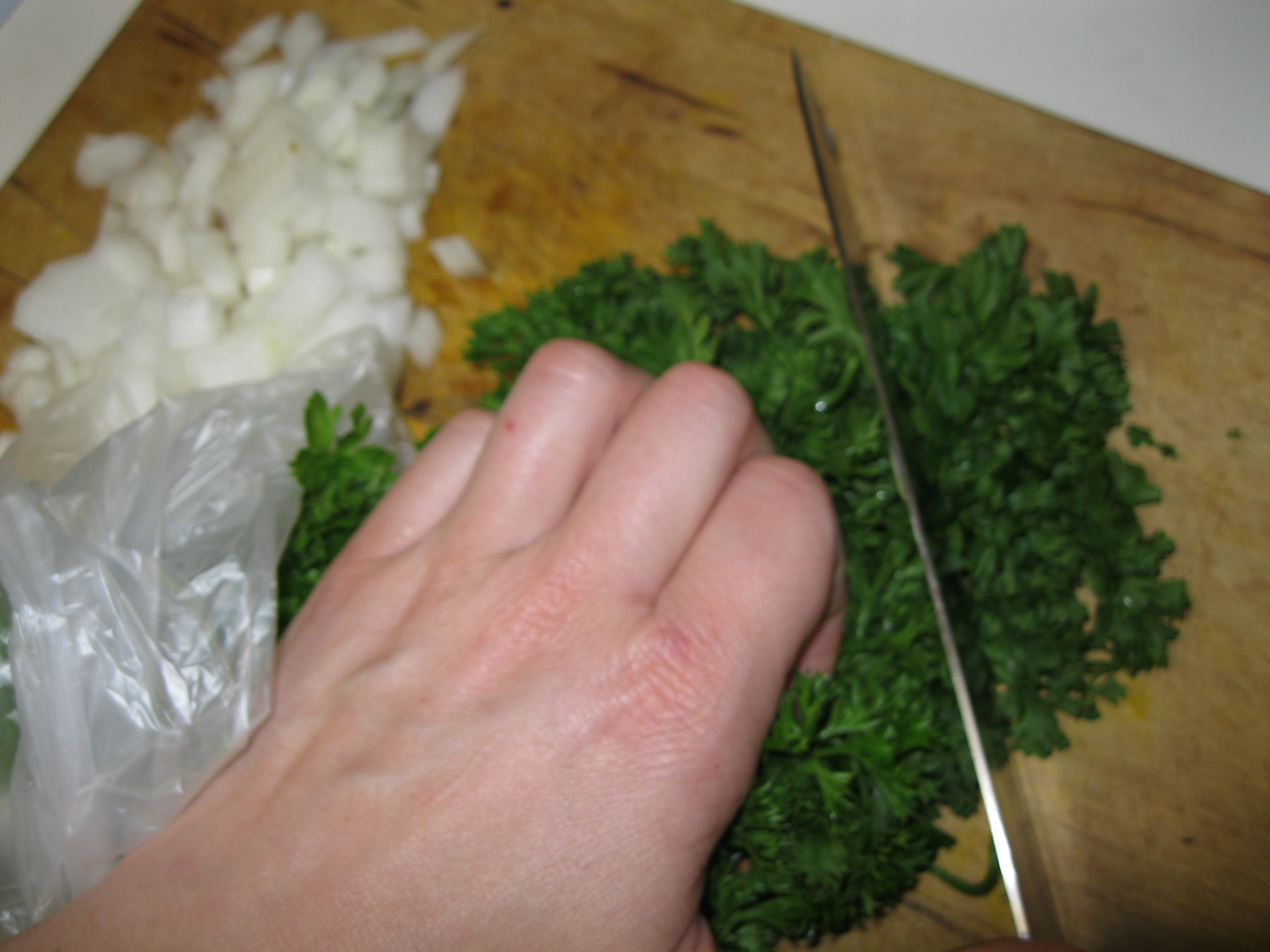
Meanwhile, chop up the parsley (make sure it’s well rinsed so there’s no grit in your tabouleh), mint if you’re adding it, tomato and onion.

Put the tomato and greens in a bowl.

Add the onion to the quinoa after the liquid is absorbed and microwave another 2 minutes, until it starts to get soft. The onion will add some sweetness to balance the tart lemon and herbal parsley. Combine the tomato and parsley with the hot quinoa, sprinkle salt, and squeeze the lemon over the top. The heat will cause the parsley to wilt slightly and take on the flavors of the dish.

Mix again and refrigerate until you’re ready. I think it’s better cold, but warm pleases too.

This is Christie, signing off.

Tagged , , , , , , , , , , , , , , , ,

Adventures in fruit: Intergalactic planetary!

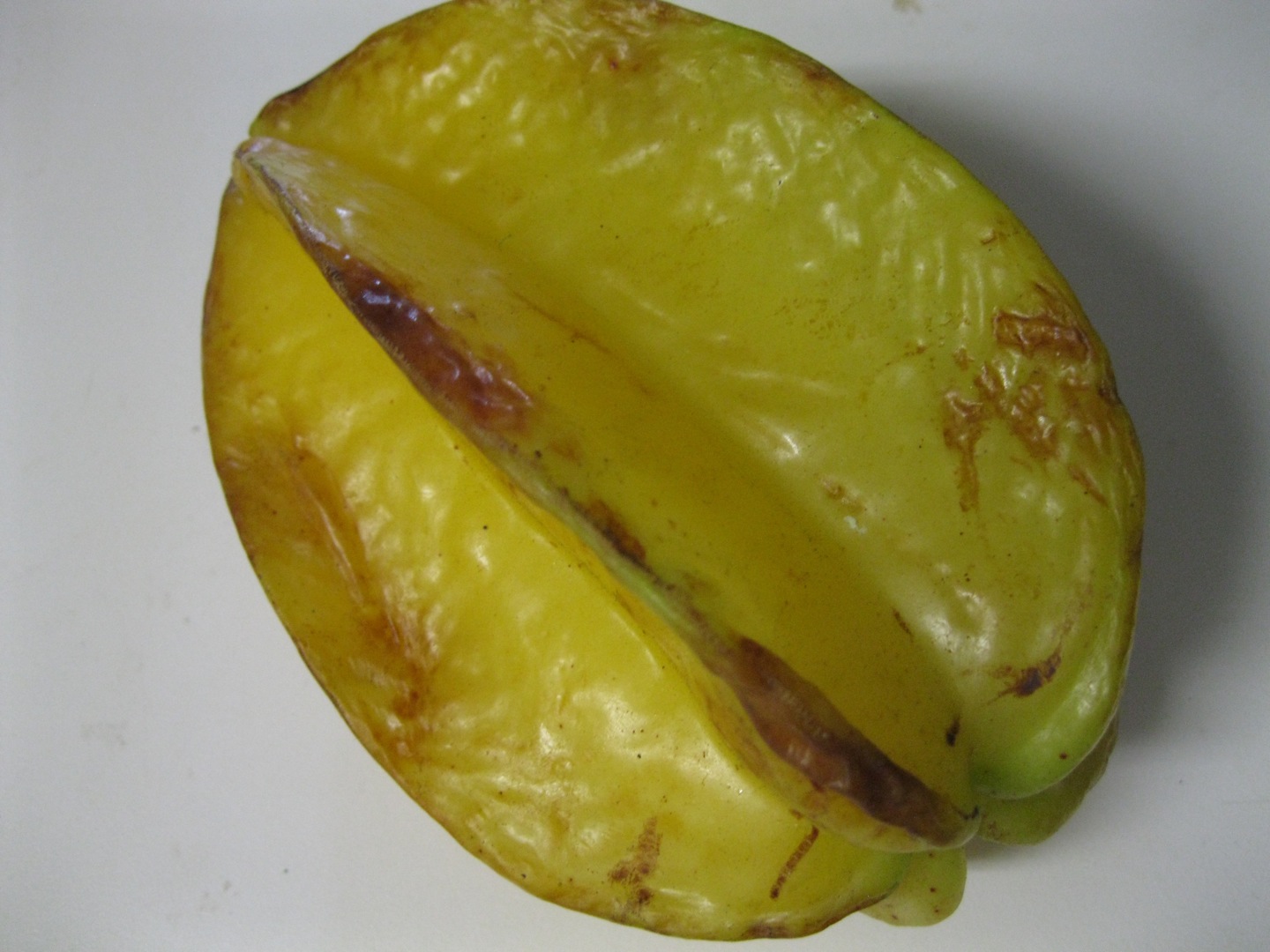
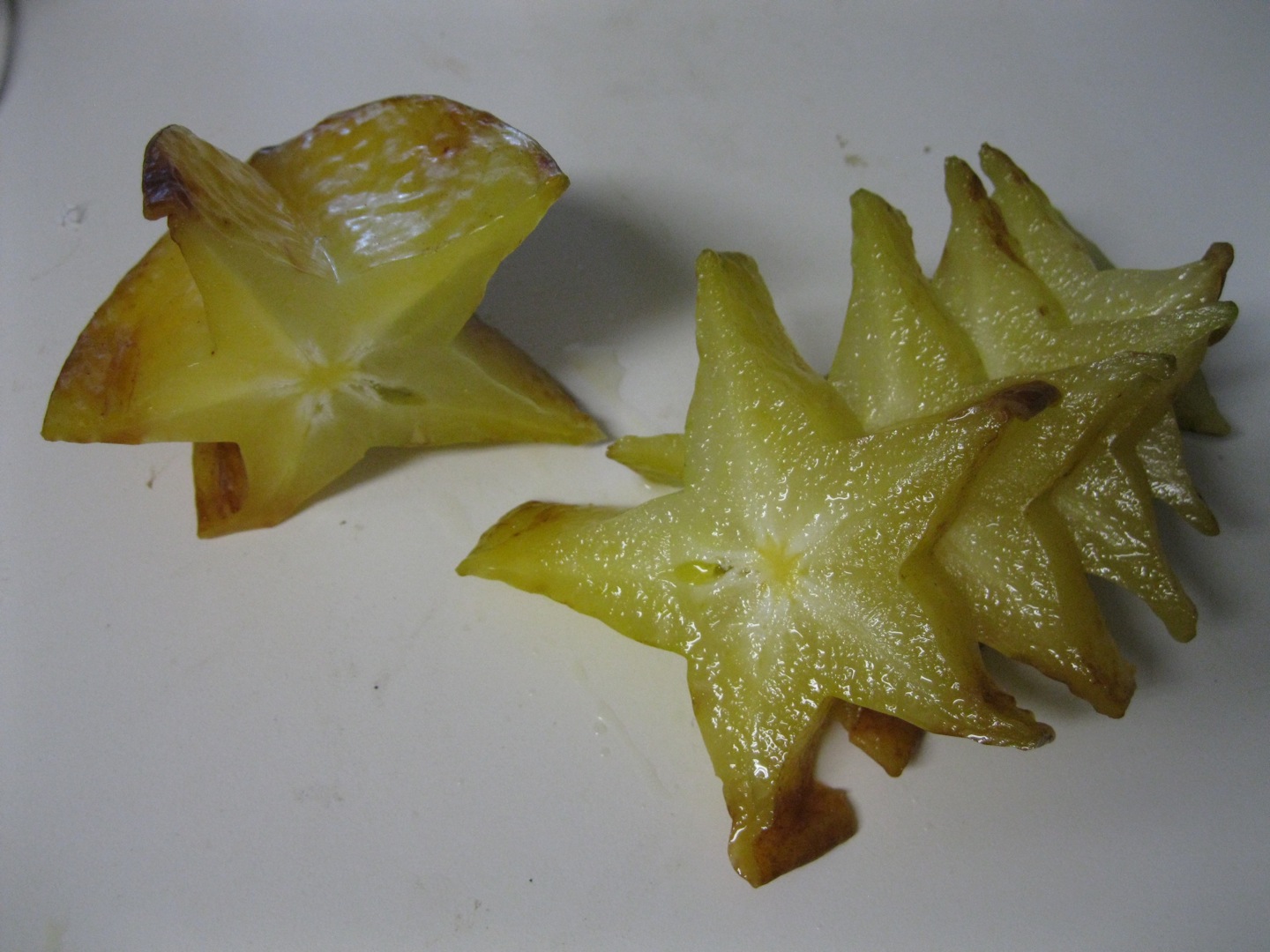
This is something many of you may be familiar with – starfruit.

It’s about the flavor of an apple with a rubbery outer skin and the texture of pear… maybe? Anyways, this striking fruit is better known for it’s shape than it’s flavor and makes awesome vegan gluten-free, soy-free decorations for cakes and pies.

If you see it, I hope you’ll give it a try.

This is Christie, signing off!

Tagged , , , , , , ,

Adventures in fruit, a portrait of durian today.

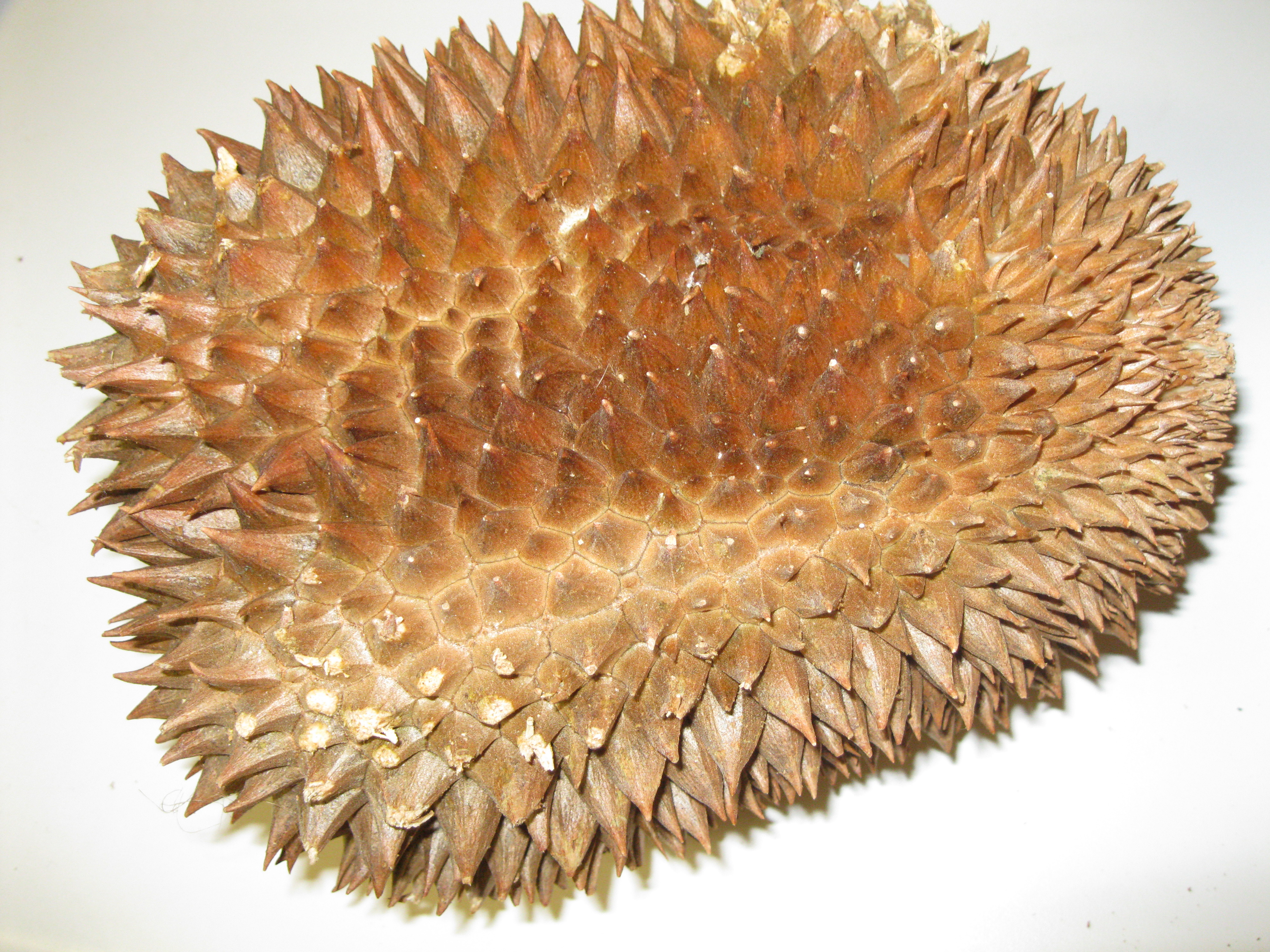
Durian is from Southeast Asia and is formidable in all of it’s aspects. It’s big (about the size of a soccer ball), has a thorny outer skin (ouch!) and distinctive odor.

Some people find the smell off-putting. I’m not one of those. I suspect it’s partly genetic. I find they smell like almonds though I’ve heard them described as smelling like turpentine, gym socks, and rotting onions. I suppose any one of those odors would keep me from eating fruit.

In terms of nutrition it’s certainly a treat. It’s rich in unsaturated fats, fiber, iron, vitamin C, potassium and the tryptophan – the amino acid required for the synthesis of serotonin. Tryptophan is necessary for the synthesis of serotonin – an important neurotransmitter. Tryptophan is an essential amino acid. That means your body can’t make it (like how it can make fat or carbon dioxide from sugar) and you have to include it in your diet.

The edible part of the fruit looks and tastes like creamy vanilla almond custard. I like to scoop out the flesh, separate the seeds and discard them, and put the good stuff into a container. I put it in the freezer and treat it like a pint of ice cream: having 2 or 3 bites whenever I get a bill or see bad news on TV.

Durian isn’t for the faint of heart. It can be expensive, difficult to find and to some, offensively smelly. However, if you’re one of the lucky souls who finds this fruit delectable, you might grow up to be a convert, like me.

This is Christie, signing off.

Tagged , , , , , , ,