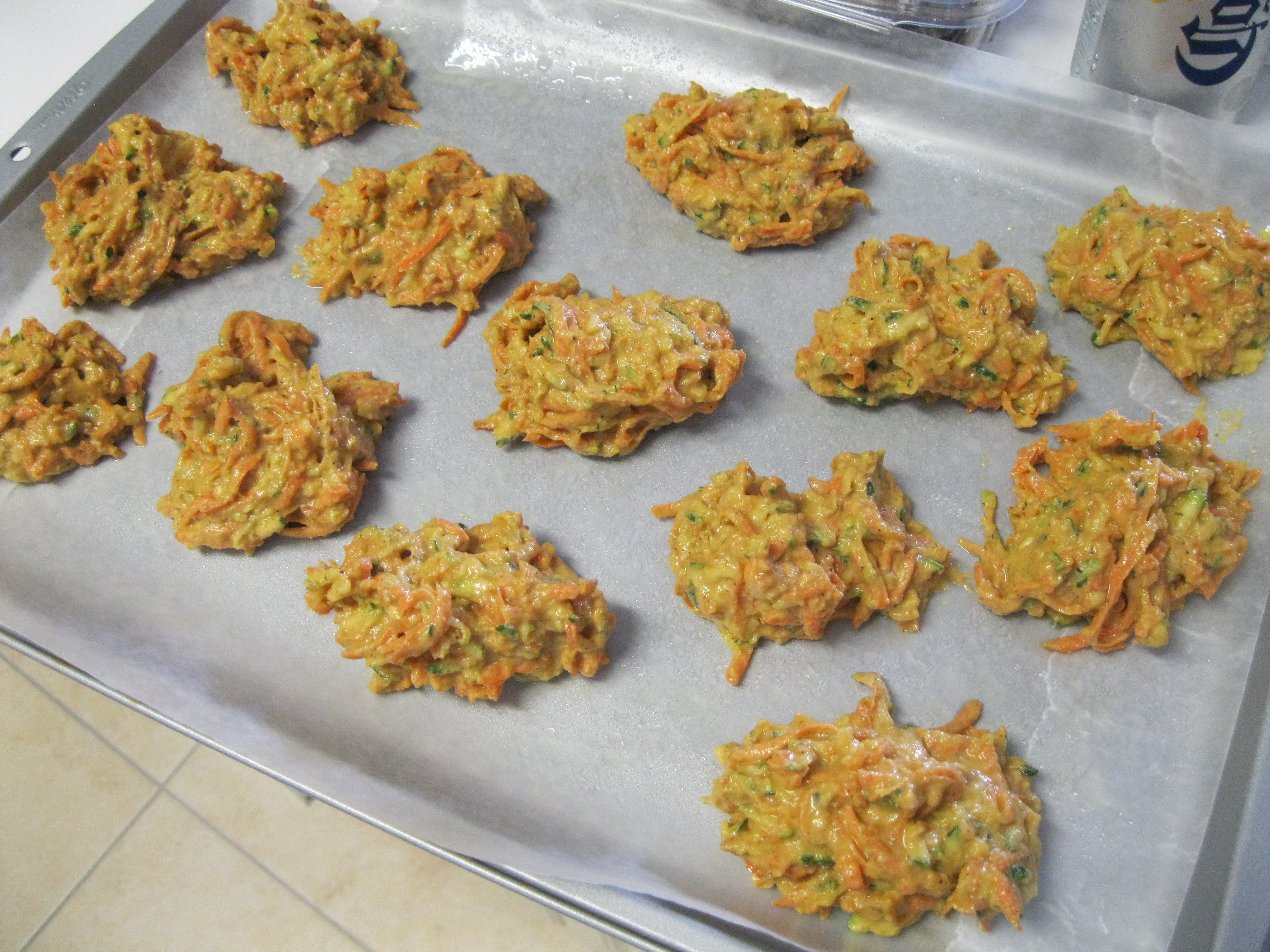
First I shredded 5 medium carrots and a large zucchini in my food processor. I added the folloring:
2 cups chickpea flour
2 tbsp nutritional yeast
1 tsp ground coriander
1 tsp gram masala blended spices
1/4 tsp turmeric powder
1 tsp chili powder
1/2 tsp salt
1 tbsp olive oil
1 tbsp Earth Balance vegan butter
soy milk

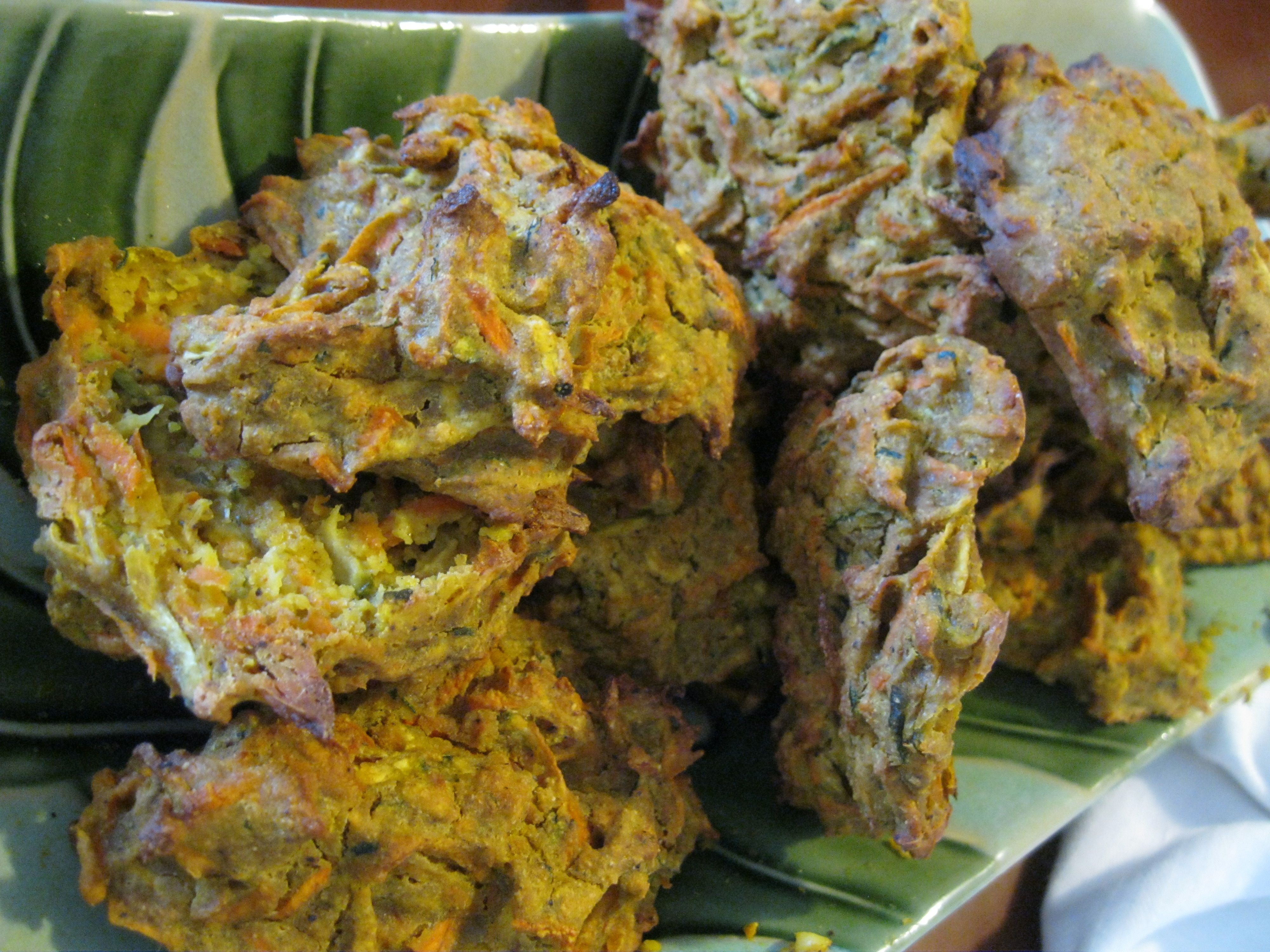
We mixed it together with the shredded veggies and added soy milk until the texture was like a thick batter. I spooned them onto a wax paper lined baking sheet. We baked them at 350C/180F until they began to brown at the edges and were firm to the touch, about 35 minutes.

While we were waiting, my handsome partner in criminally fun cooking prepared two sauces for dipping: mint chutney and tamarind. For the tamarind he combined:
maple syrup
thawed frozen tamarind
chili paste

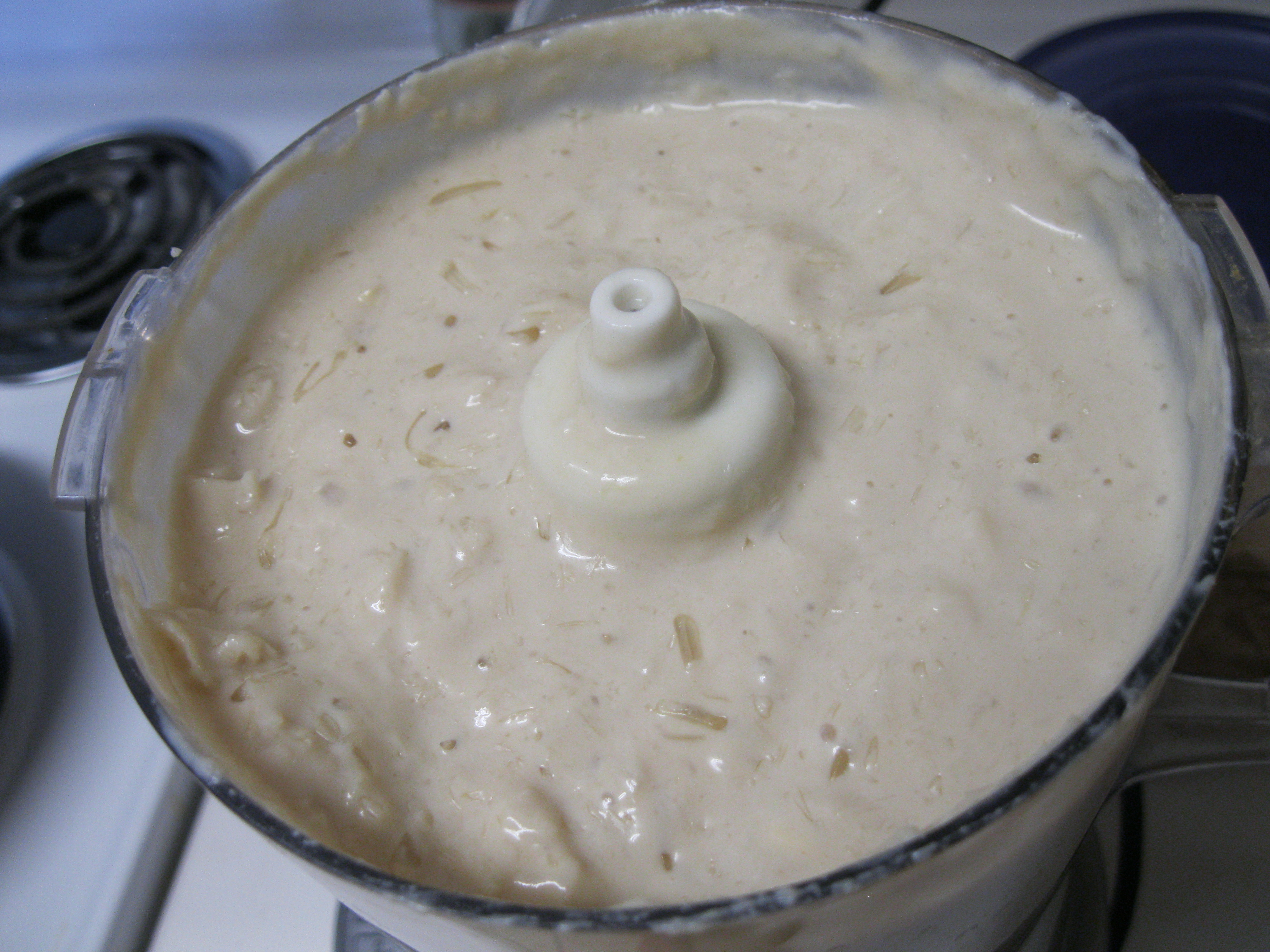
For the mint chutney, he put the following in the food processor:
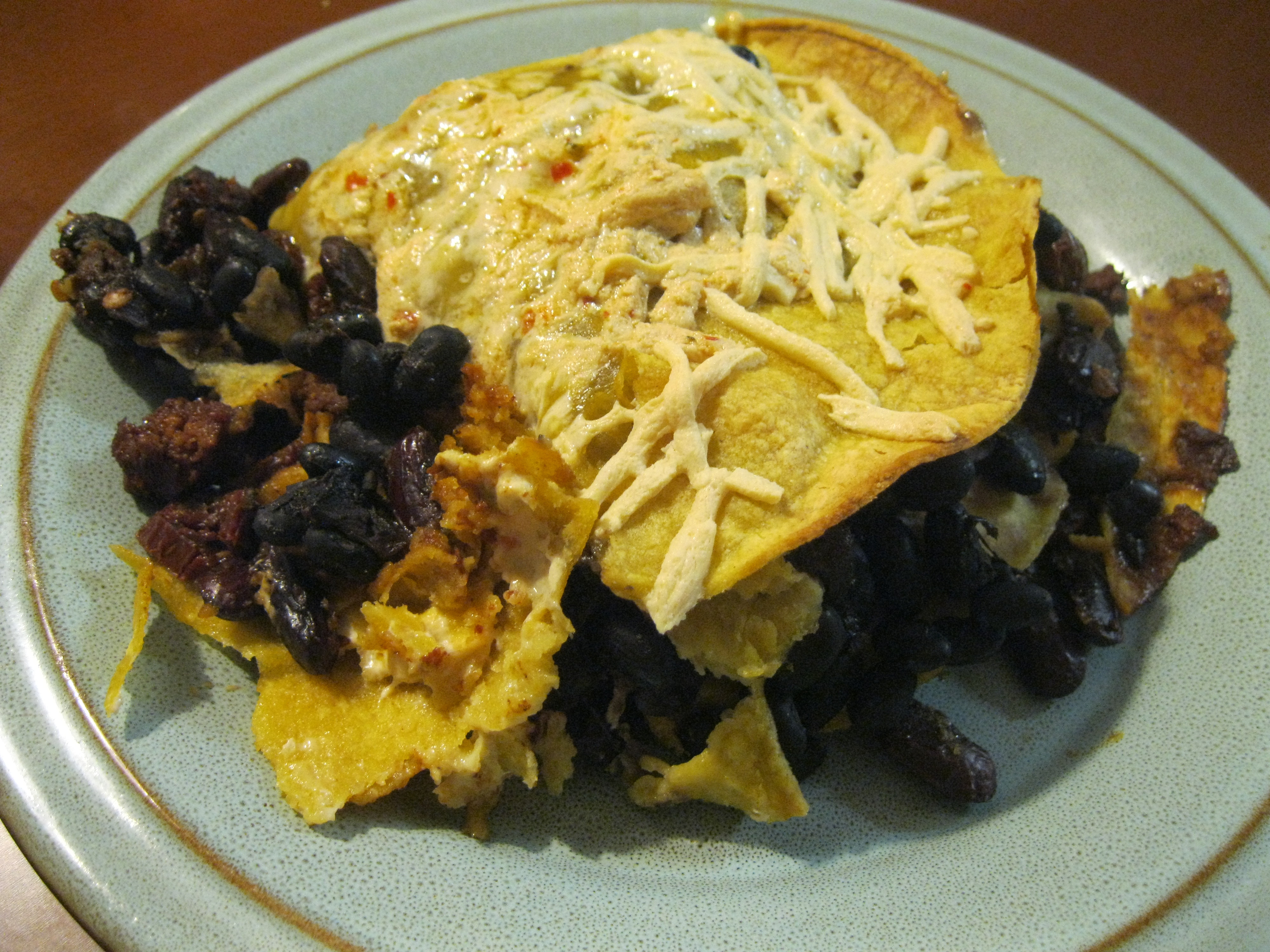
This is an easy thrown-together, fun to play around with variations on favorite in the Alldestroyers household. It’s basically decadent layers of cheese, beans, tomatoes, peppers and whatever else your heart desires baked up to bubbly perfection. Brent and I decided to start with 2 different kinds of beans: black and kidney.
We decided to make this a 2 layer casserole: cilantro lime black beans and soysausage chipotle red beans. It was that simple.
In the glass baking dish we made 2 layers of tortillas with a layer of Daiya in between to make serving easier.
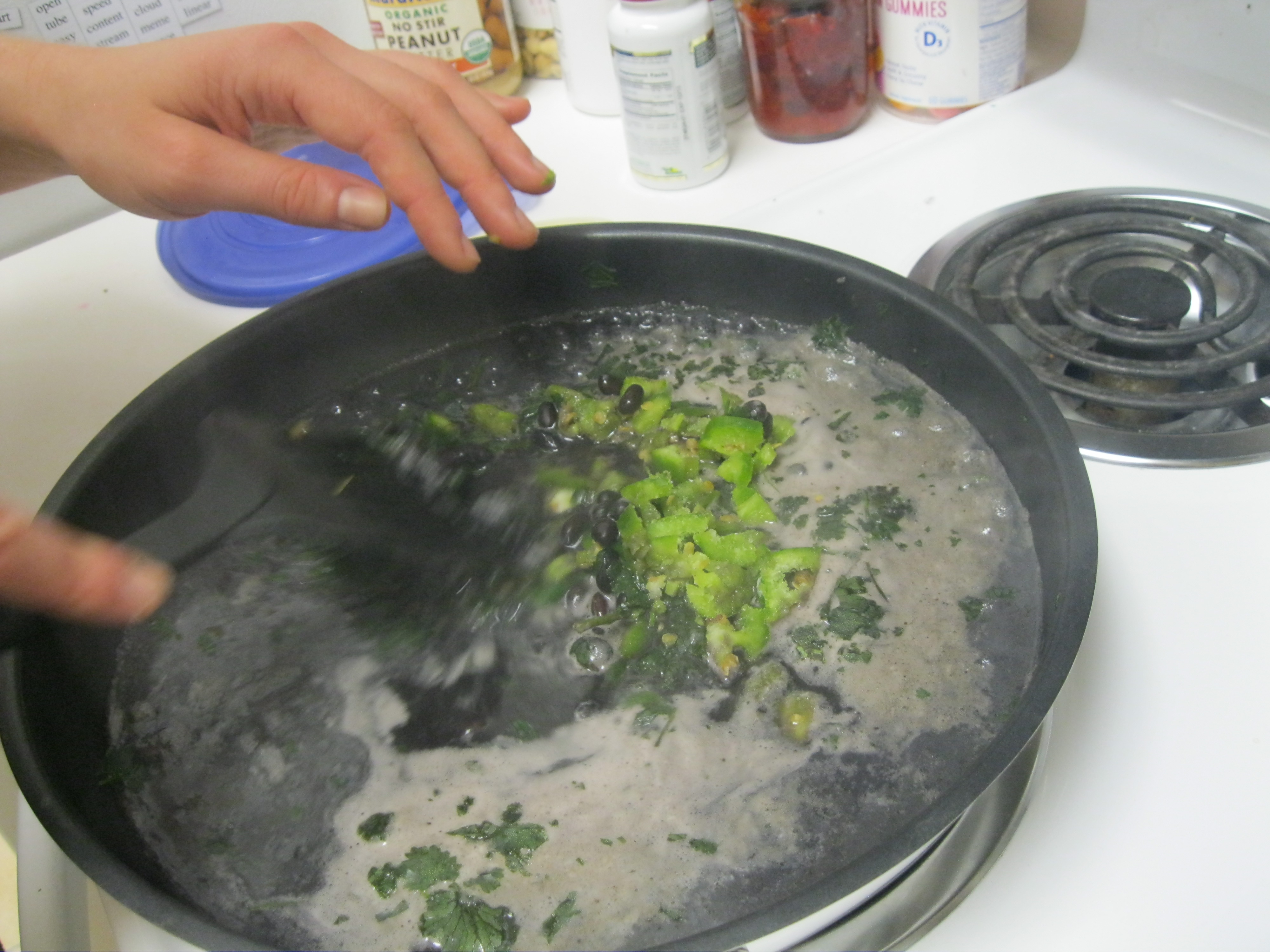
We cooked the 1 cup of black beans (soaked overnight in 3 cups of water, we kept the water for this step) adding 1 minced jalapeño, juice from 1 lime, a splash of tequila and a handful of cilantro leaves.
The red beans got a similar treatment with a can of chipotle peppers in adobo sauce, a minced soysausage and that’s all she wrote. She being me, I’ll let you in on a secret… I’m going to write some more. We simmered the beans until they were mostly dry and then it was time.
We assembled the casserole by pouring the beans into the first layer of tortillas, pouring some enchilada sauce over it. You can make your own or buy it. We were feeling lazy after being all industrious with the beans so we bought cans of sauce. We poured the next layer of beans, the rest of the sauce and smothered it with more Daiya.
Thirty minutes and 350C/180F later the saucy adultery of the casserole began.
This is a great family friendly meal. We hope you get to try it and love it as much as we do… and the leftovers. I love leftovers.
This is Christie and Brent, signing off!
This particular marvel is the transportation of a Melissa-style cooking challenge into breakfast: omnivores team made corned beef and cabbage and the vegan team made corn, beans and cabbage.There wasn’t enough corn, beans and cabbage to reheat and just make leftovers so we decided to make it into a tofu scramble instead. 
I’m a sucker for runny eggs… or silken tofu in my tofu scramble. We included all of the typical seasonings in our tofu scramble: nutritional yeast, salt, pepper, nutmeg and turmeric powder. The beans and corn were already seasoned with coriander and a few others and it ended up making the breakfast awesome.
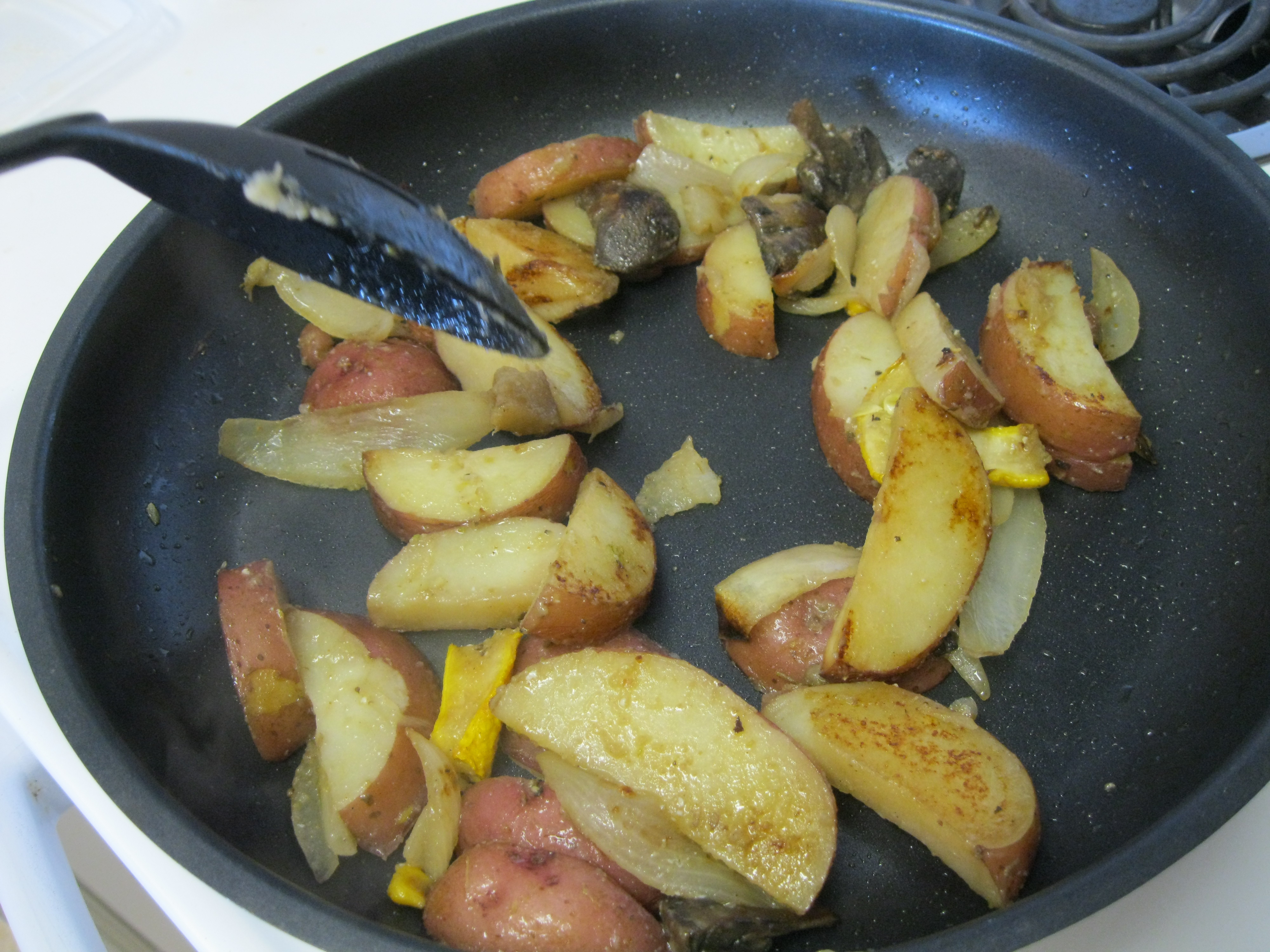
We also browned some potatoes, squash and mushrooms that were leftover too. There’s a real reason why I’m posting this particular brunch. There was something easy about meat: you could put it into just about anything. You could put it on sandwiches, into a soup, with eggs, whatever… I don’t want anyone to think that vegan food doesn’t have that same kind of versatility – it definitely does.
You don’t even have to be that creative. We used to call eggs with whatever you had for dinner the night before thrown in “trash can eggs” because that was the only other logical place for the leftovers. Personally I opt for stomach in this particular case.
This is Christie and Brent, signing off!
I got the recommendation for pinakbet or pakbet from a Sri Lankan colleague who has a fondness for Filipino cuisine. It’s good she’s around or I would have been at a loss for what to do with this ridiculous looking veggie. For pakbet I took some crucial advice from Melissa and my colleague on the preparation. I sliced up the melon, discarded the seeds and salted it and waited for about 20 minutes. There was a lot of liquid that came out of the flesh so I figure it worked… right?
I also assembled the following:
1 eggplant cut into bite-sized pieces
salt
10 whole okra, trimmed
1/2 lb green beans, ends trimmed
1 big toe sized piece of ginger, sliced
3 cloves garlic, sliced
1 medium onion, diced
3 medium tomatoes, diced
2 tsp tamari
1 tbsp miso paste
olive oil
salt to taste
I browned the garlic and onion in olive oil. Then I added the tomatoes and cook until soft and then the remaining ingredients.
I cooked the bitter melon separately, sauteing lightly in olive oil with tamari because Brent is allergic to quinine and I don’t want to kill him even though the literature regarding the quinine content of bitter melon is sketchy.
I didn’t cook it long after adding the rest of the ingredients just because I like my veggies crisp and green. I’m weird like that. I added it to mine and found that the sweetness of the beans and onion along with the mellowing tomato and eggplant really complemented the bitterness of the bitter melon. Next time I’ll use white miso paste instead of red and omit the ginger, but otherwise Brent seemed happy with the bitter melon-less version and I’ll be doing this again… just don’t tell Brent.
The man and I are always trying to reproduce take-out favorites at home. A few weeks ago I became obsessed with creating a truly vegan, gluten-free version of veggies makhani which we periodically order from a beloved Indian restaurant. “Makhani” means butter in Hindustani and though a lot of restaurants make it with olive oil as a cheap alternative to ghee, I still worry my special request for olive oil won’t be met. This version isn’t stereotypical Indian food but rather an Americanized version of the Indian classics but that shouldn’t stop you from giving this a try. We made ours with traditional herbs and spices, peas and tofu instead of paneer. Paneer is a traditional home-made Indian cheese often used in this dish. Tofu is a great vegan substitute. Other veggies that would be appropriate include bell peppers, cauliflower, broccoli, and potatoes. I started with the following:
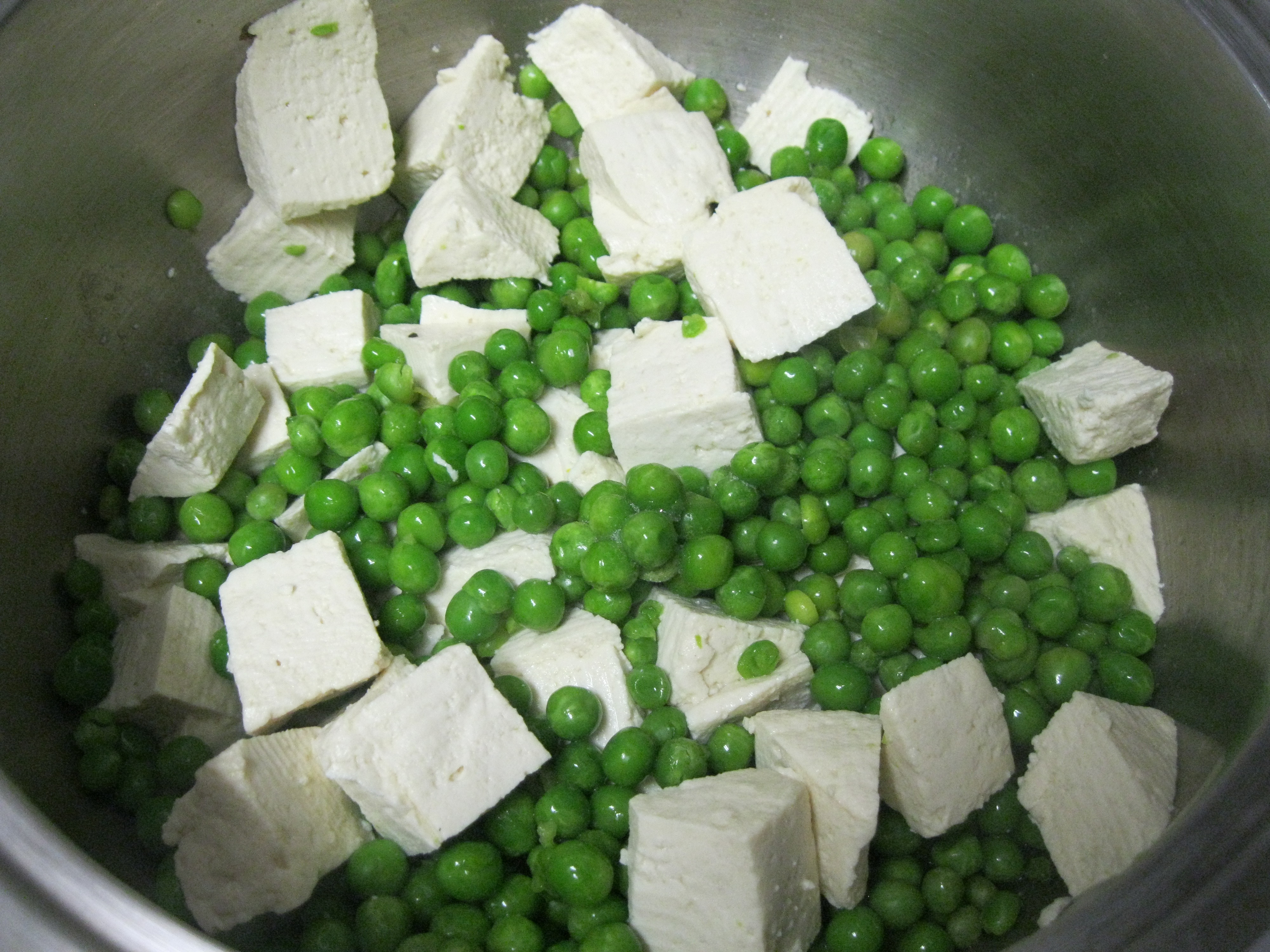
1 carton of firm Chinese style water packed tofu, cut into bite sized pieces
1 lb bag of frozen peas

Before you do anything, set these aside to drain and thaw respectively. I like to marinade my tofu in lemon juice for 30 minutes or so with a dash of ground coriander. I finish it by heating the tofu lightly in the pan I’ll eventually add my sauce to and pouring off any excess liquid.
1 tsp oil
1 generous pinch of cinnamon
1 tbsp cumin seeds
1 tsp fenugreek seeds (optional, but recommended)
3 cloves of garlic, sliced
1 thumb sized piece of ginger, sliced (more if you like spice)
1 small onion, chopped
1 large tomato, chopped
6 oz. tomato paste
1/2 pinkie sized piece of turmeric, sliced OR 1/2 tsp dried turmeric
1/2 tsp red chilli powder
2 tsp syrup (any kind will do)
2 cups vegetable stock (use water if you need more)
1/2 cup cashew nuts (soaked is good)
1 tbsp vegan “butter”
1 tbsp lemon juice
salt and chili paste to taste
Fresh green coriander/cilantro for garnish
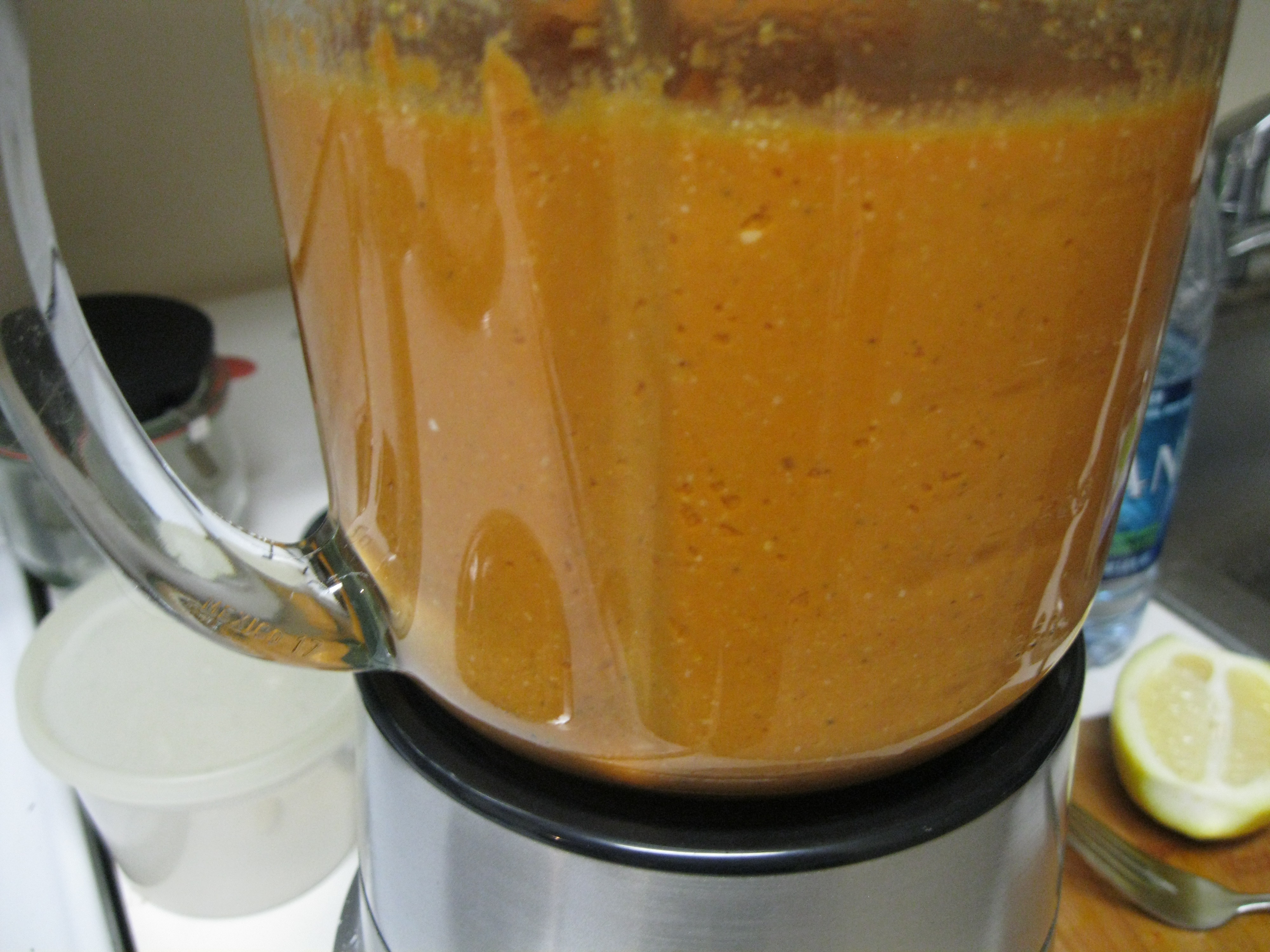
Heat the oil in a saucepan. Add the cumin and fenugreek seeds, and when they sputter add the cinnamon. Add the ginger and turmeric and stir for a minute or so over medium-high heat. Add the onions, “butter” and a little salt and saute until the onions start to brown, about five minutes. Add the tomatoes, cashew nuts and chilli powder. Saute the mixture until the tomatoes soften. If the mixture starts to get too dry before the tomatoes are done, add some water or vegetable stock and continue cooking. Once the tomatoes are really soft, turn off the heat and let the mixture cool. Pour into a blender along with the lemon, syrup, and tomato paste, using some broth to get all the paste out of the can. An extra tablespoon of cashew butter won’t hurt but we’re trying to keep this light. Blend to a smooth paste adding veggie stock, syrup, salt, and chili paste as necessary.
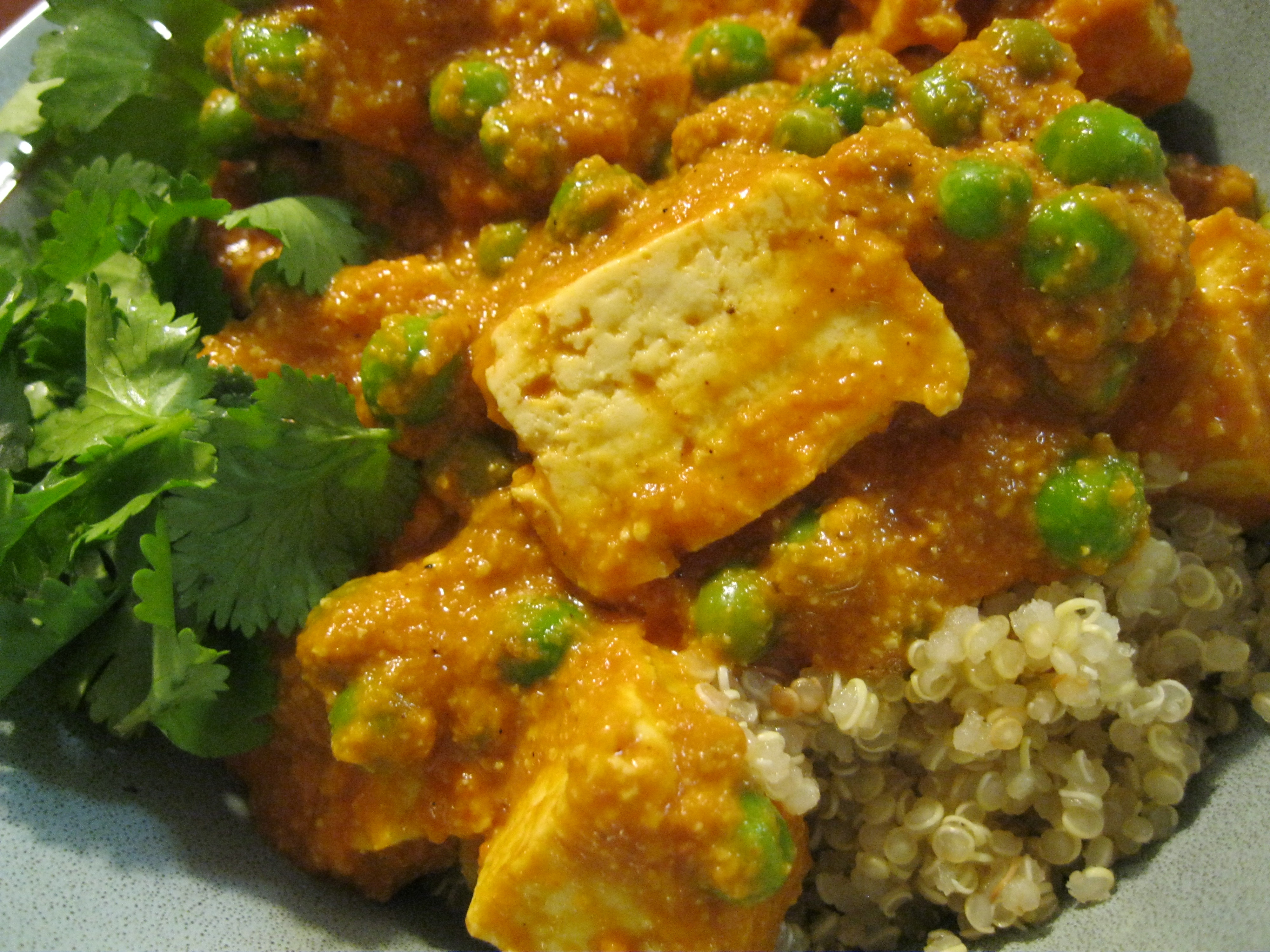
I don’t recommend blending the mixture while it’s still hot because it can be dangerous. If you have a hand blender, this is the time to use it. Pour the blended paste back into the saucepan with your tofu, turn on the heat, add the remaining vegetable stock if the mixture is particularly thick. Now add the peas and any other veggies you like and stir them in. Let the mixture heat until it’s steamy. Garnish with coriander leaves, and serve hot with some rice, or a suitable substitute.
We used quinoa that we prepared by microwaving at 2 minute intervals. We also added some cardamom pods because they bring out the nutty smells and flavors in quinoa with their lemony aroma.

I just wish I could take a picture of the flavor for you: this is comfort food, pure and simple. I hope you get to enjoy some!
This is Christie and Brent, signing off!
You’re either thinking, “Say what?! Vegan longanisa?!” or “WTF is longanisa?” after seeing the title of this post. Longanisa is a garlicky Filipino sausage made traditionally with pork. Some people liken it to chorizo. It’s eaten for breakfast, lunch, dinner, or midnight snack and usually served with sinangag (garlicky fried rice) and fried eggs. For me, longanisa is kind of like an equivalent of frozen pizza. We usually had some in the freezer and could cook them up when we wanted something easy and delicious to eat. A lot of Filipino restaurants offer longanisa for breakfast. Uncle Mike’s in Chicago is one of them:
Longanisa is one of the things I knew I would miss after going vegan. It’s not just the taste of it. It’s like this connection to my culture, something I can mention to any Filipino person that will instantly bond us. We didn’t have it often growing up which is a good thing when you consider how fatty it is. Longanisa is like the frozen Ramen noodle for Filipino-American kids when they move out of the house and want something that reminds them of home. So, yes. I miss longanisa, and I had accepted the fact that I would probably never eat it again. But then, I decided to try and veganize it.
Ingredients:
14 oz Gimme Lean Beef Style Veggie Protein
1/2 head minced garlic — came out to about 1/3 cup
2 tsp ground black pepper
2 tsp sea salt
4 tbsp brown sugar
1/4 cup apple cider vinegar
safflower or olive oil, for frying
The following are optional:
2 tbsp flax meal
1-2 tsp annatto powder (to give the sausages a red color; I did not add this)
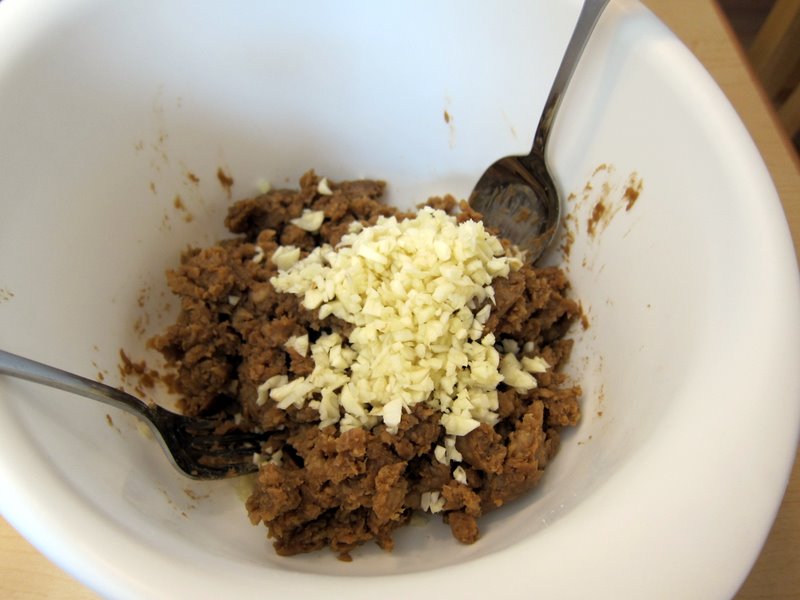
First, I minced the garlic and then tossed it in with the ‘meat.’ I set it aside and then mixed together the dry ingredients in a small bowl. I added it to the ‘meat’ mixture along with the vinegar. Then I mooshed it all together.
I formed the ‘meat’ into small sausages (about the length of your average breakfast link but with more girth… heeeheh… girth). I ended up with 16 sausages. I put them in the fridge to chill. I won’t comment on how they kind of look like poo. Oh, oops. I just did. Hmm… maybe the whole purpose of adding annatto powder is to make it look less like poo.
Traditional longanisa recipes call for the meat to sit in the fridge for at least one hour, preferably for over 24 hours. I couldn’t wait so I took some out after about 2.5 hours and fried them up in safflower oil over medium heat for about 10 minutes, turning every 2-3 minutes.
I made some sinangag and a salad of tomato, onion, and cilantro to accompany my longanisa. I have always felt like being Filipino and loving Filipino food would make going vegan an impossible challenge. I’m glad to have proven myself wrong yet again. Is the recipe exactly like traditional longanisa? No. But it’s a great substitute that I know I’ll improve on with every try. As a bonus, it has ZERO cholesterol. Who wants all that pork fat anyway? Gross!
Kain tayo! That means “let’s eat!” …. Melissa